

-
-
-
-
Coin/Currency & Bill
-
-

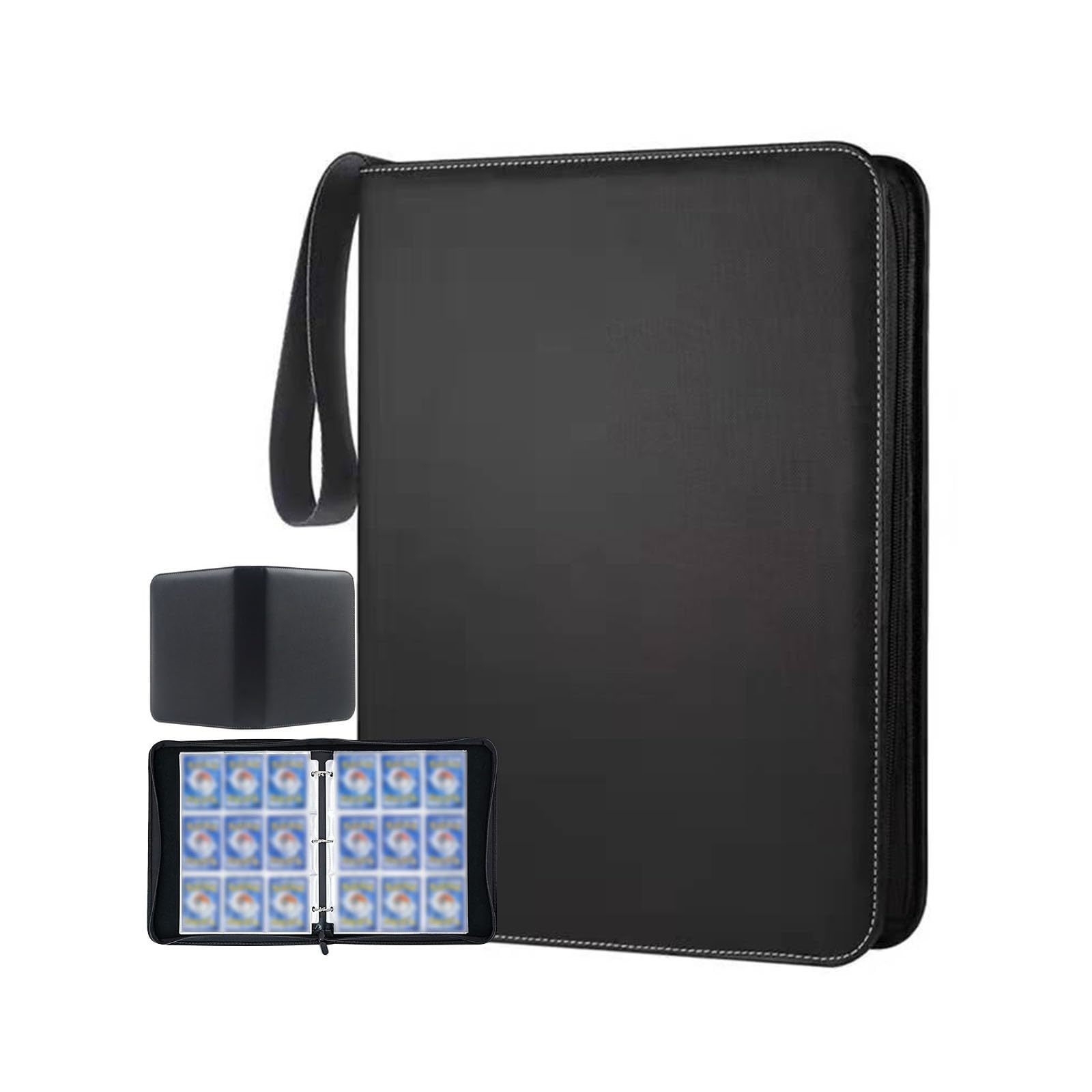
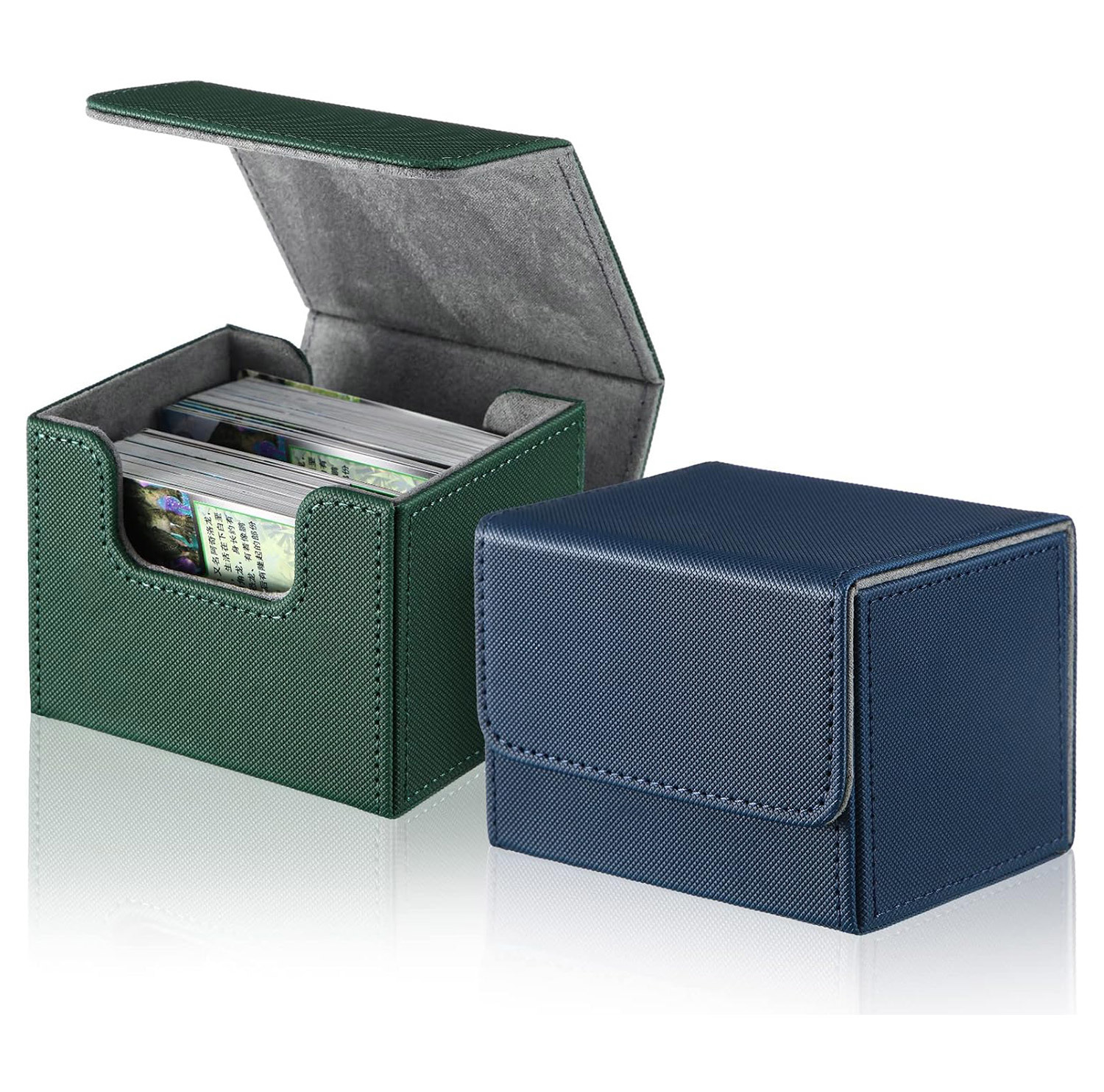
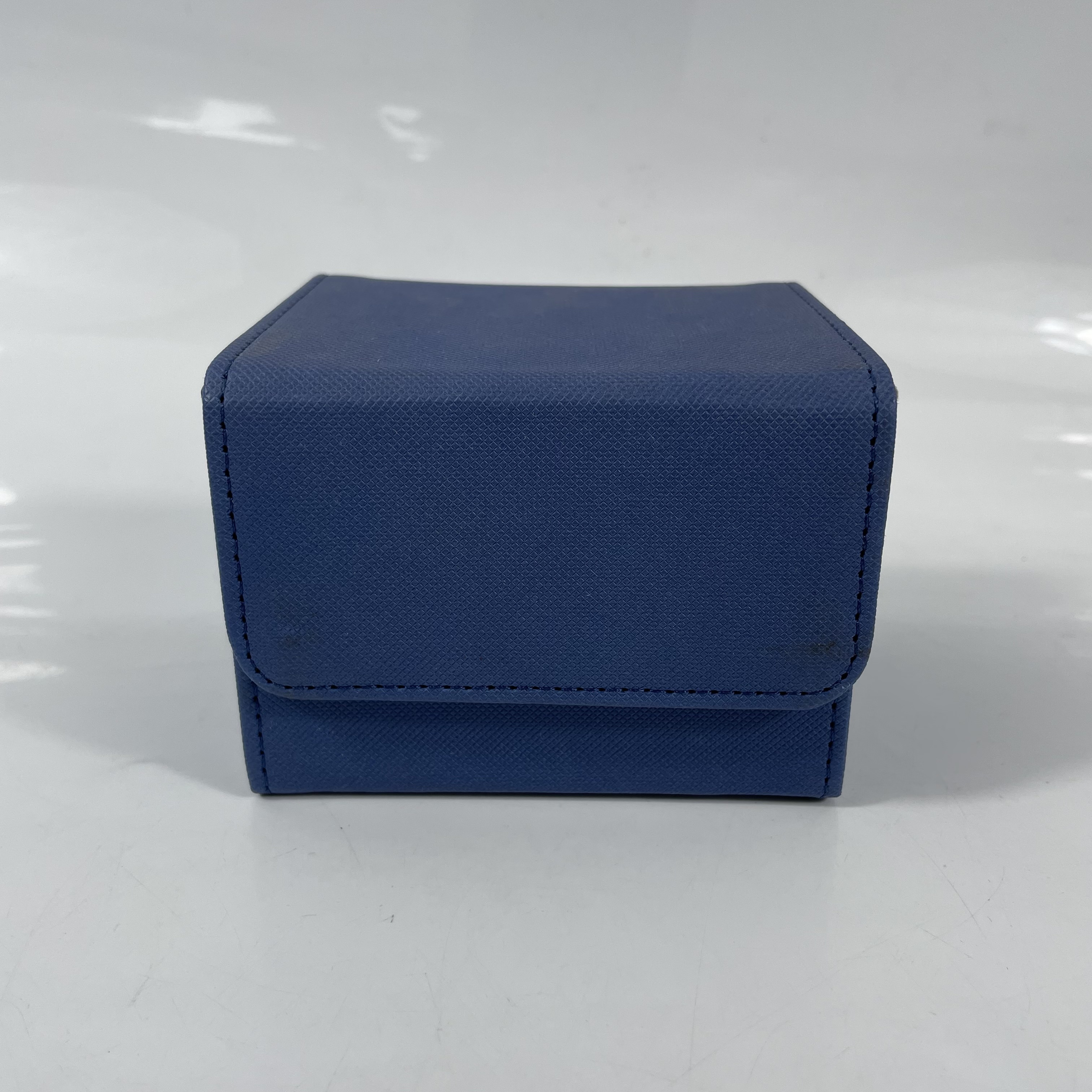
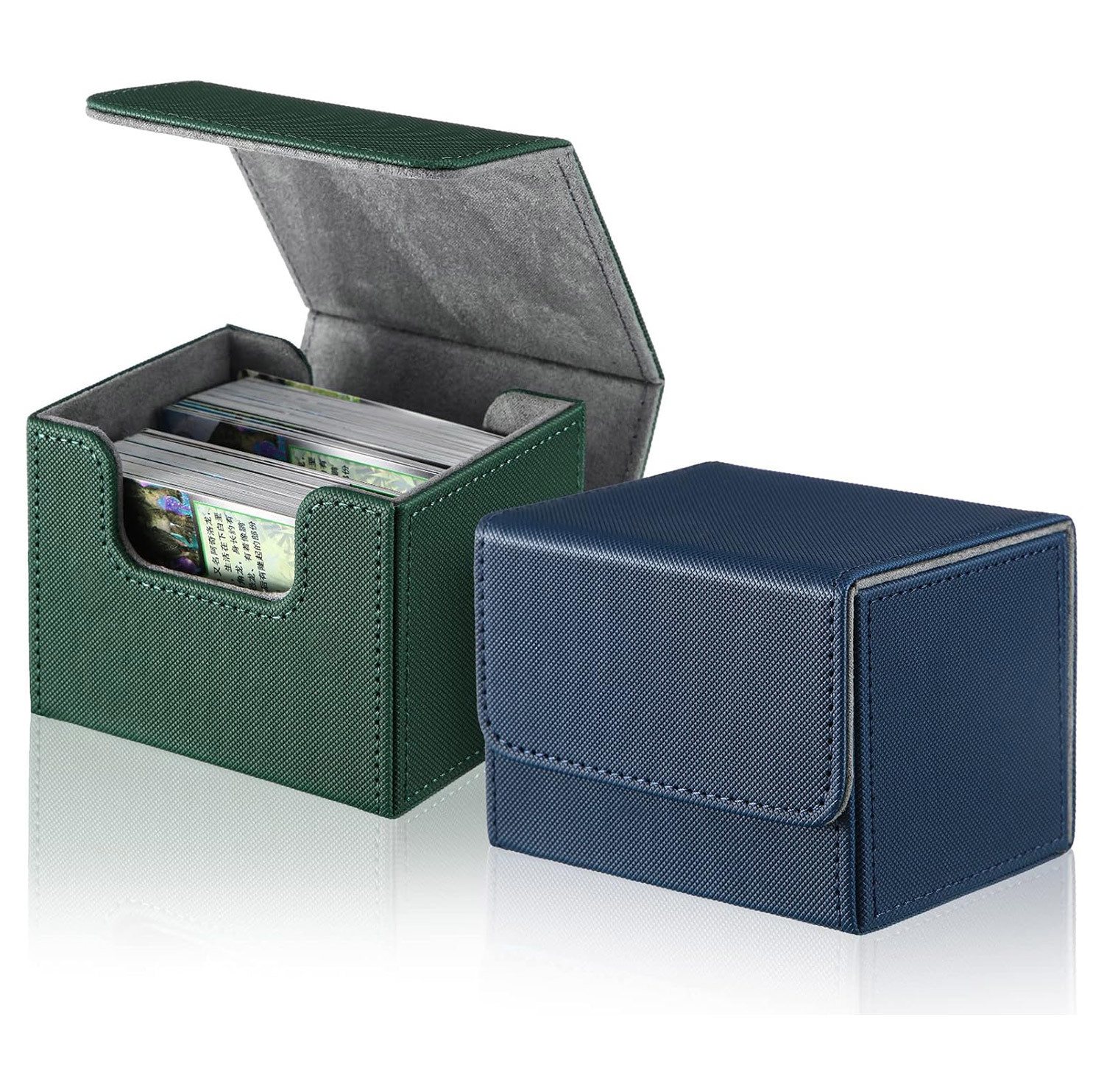


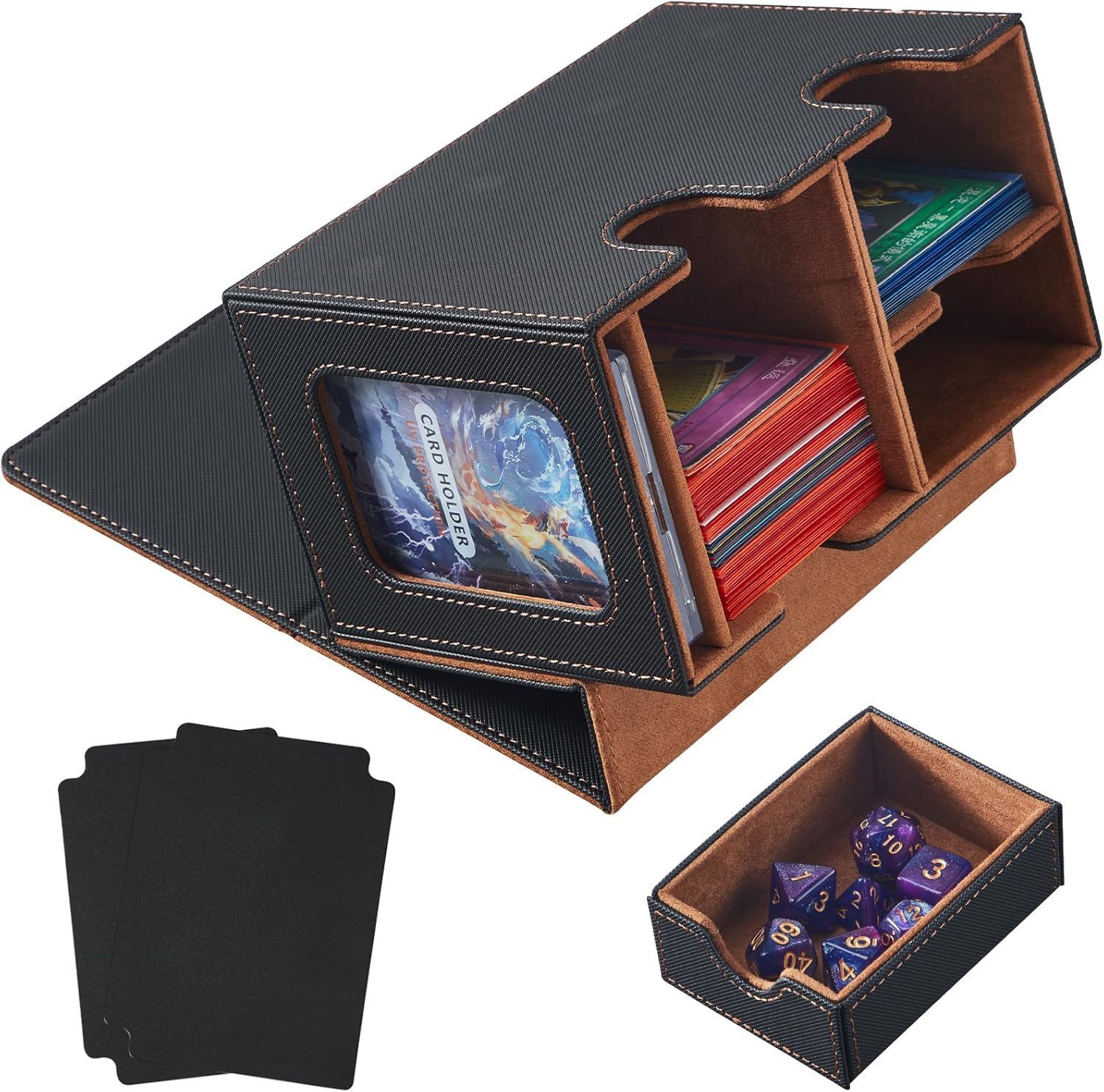
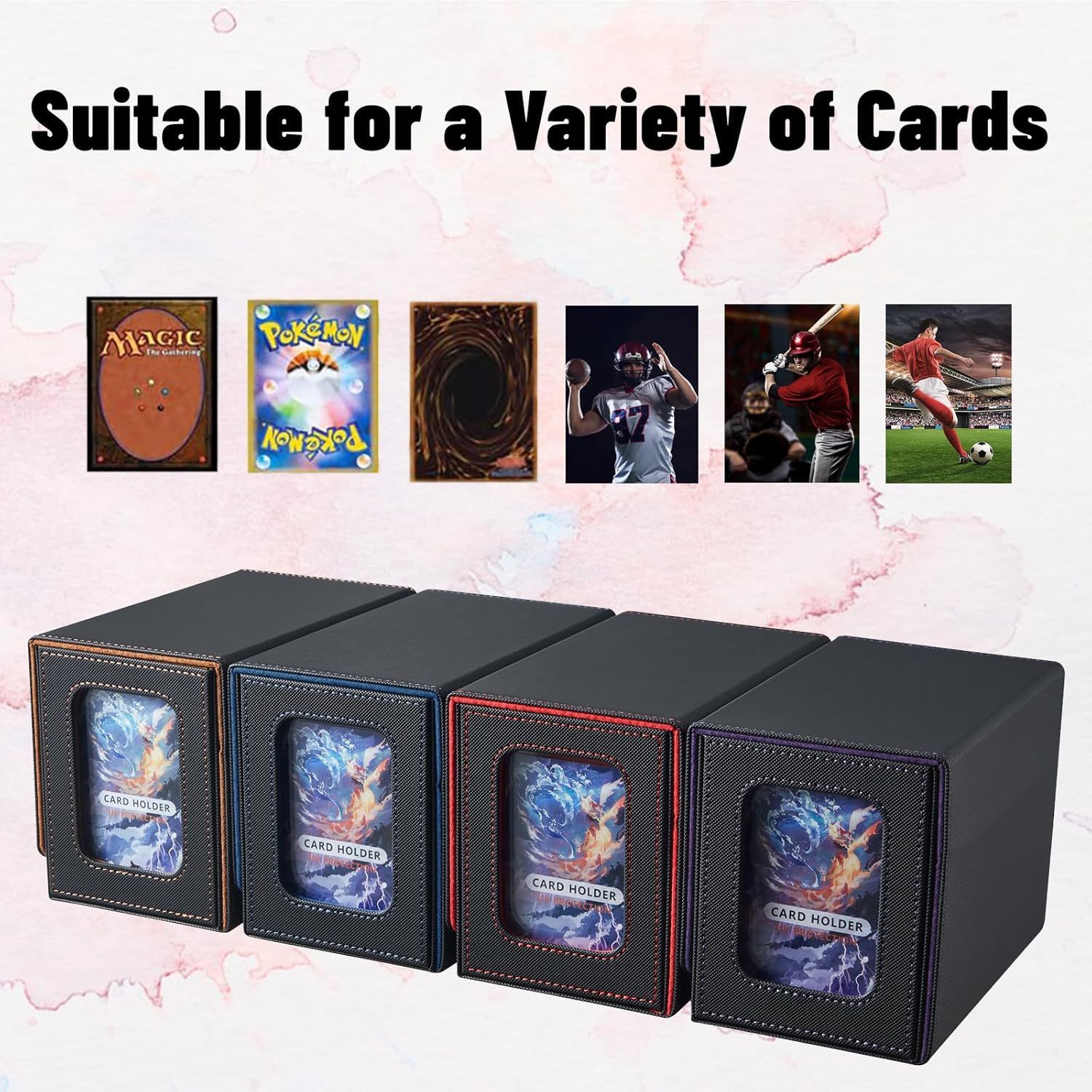
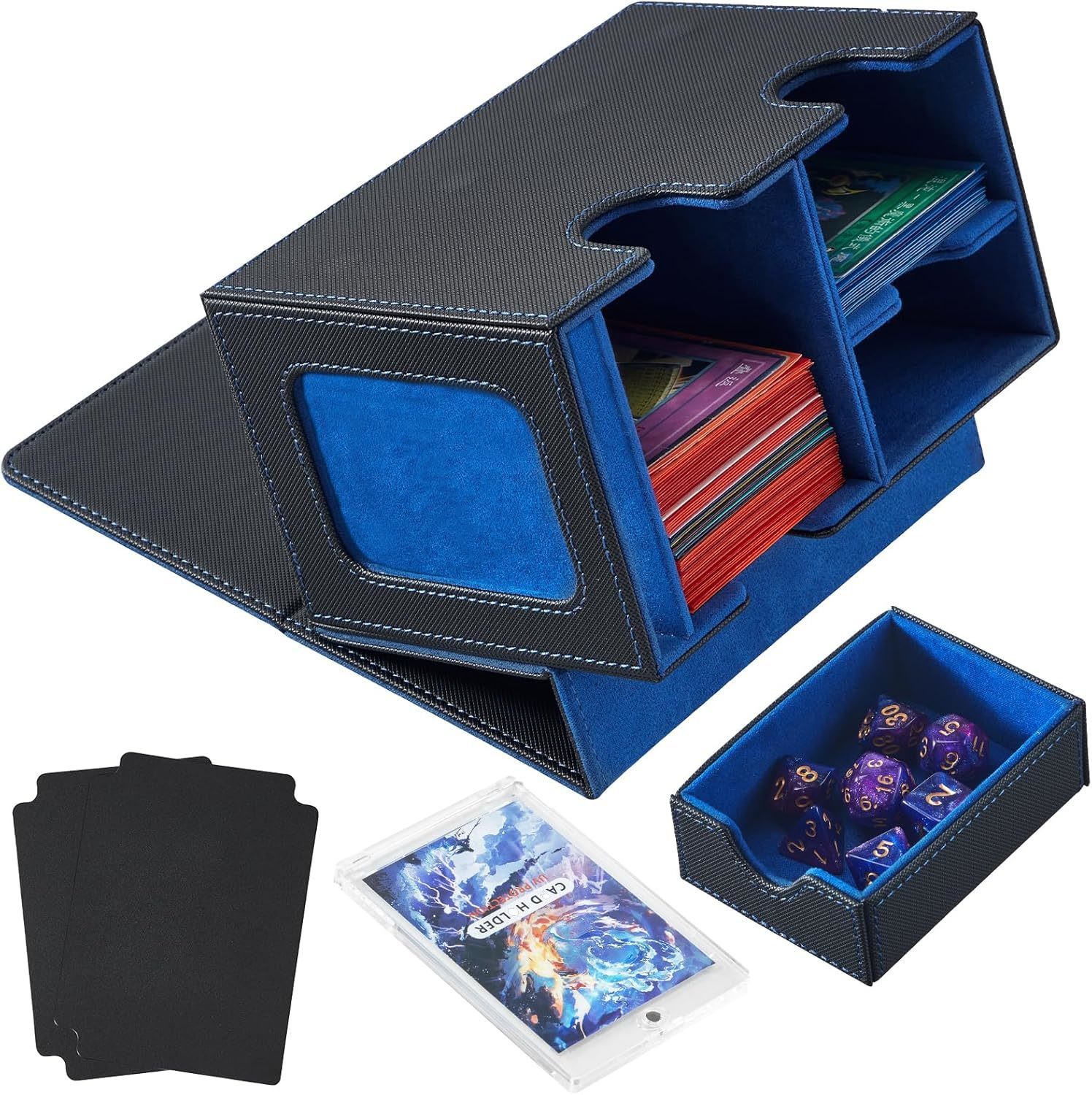
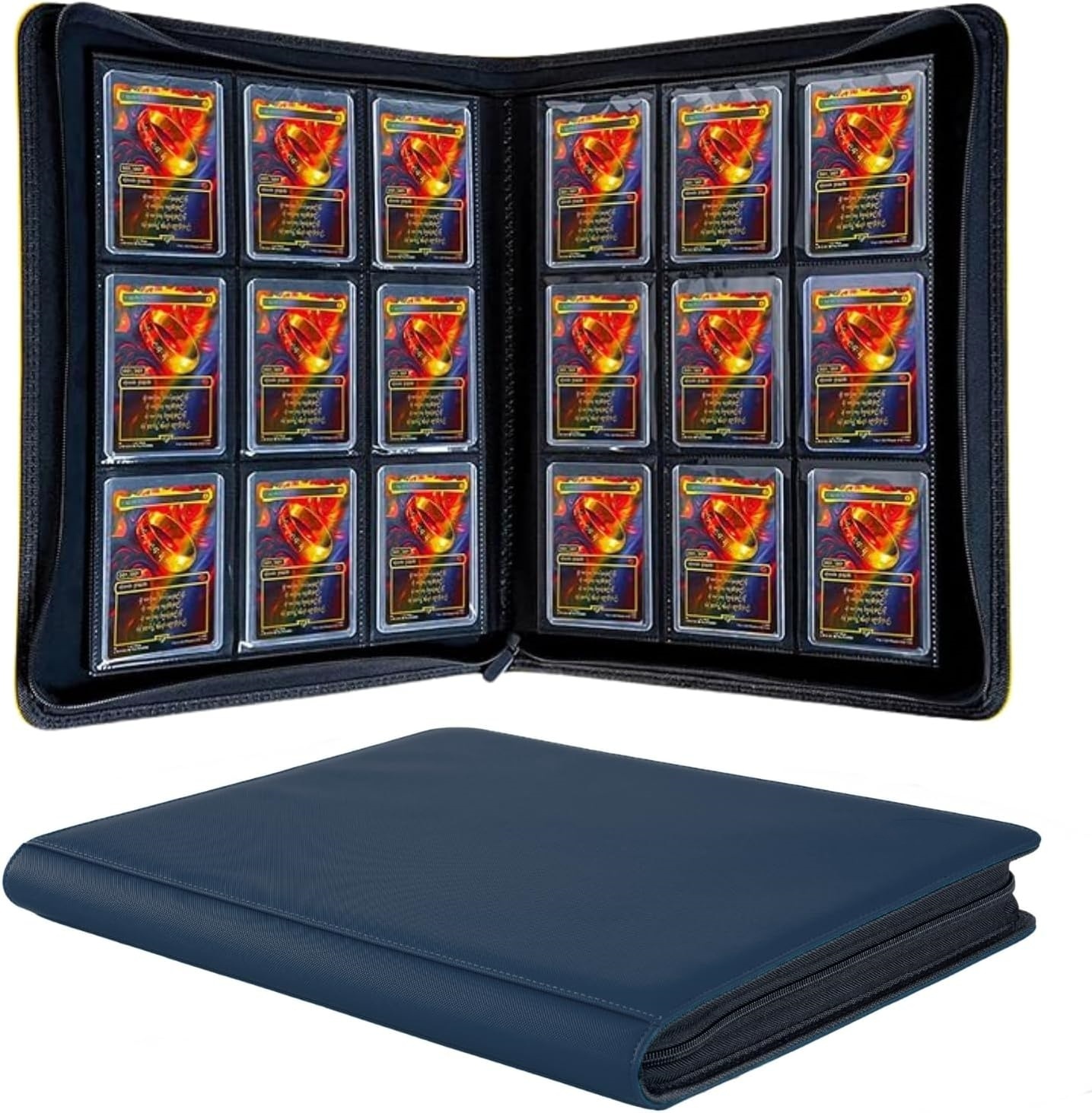
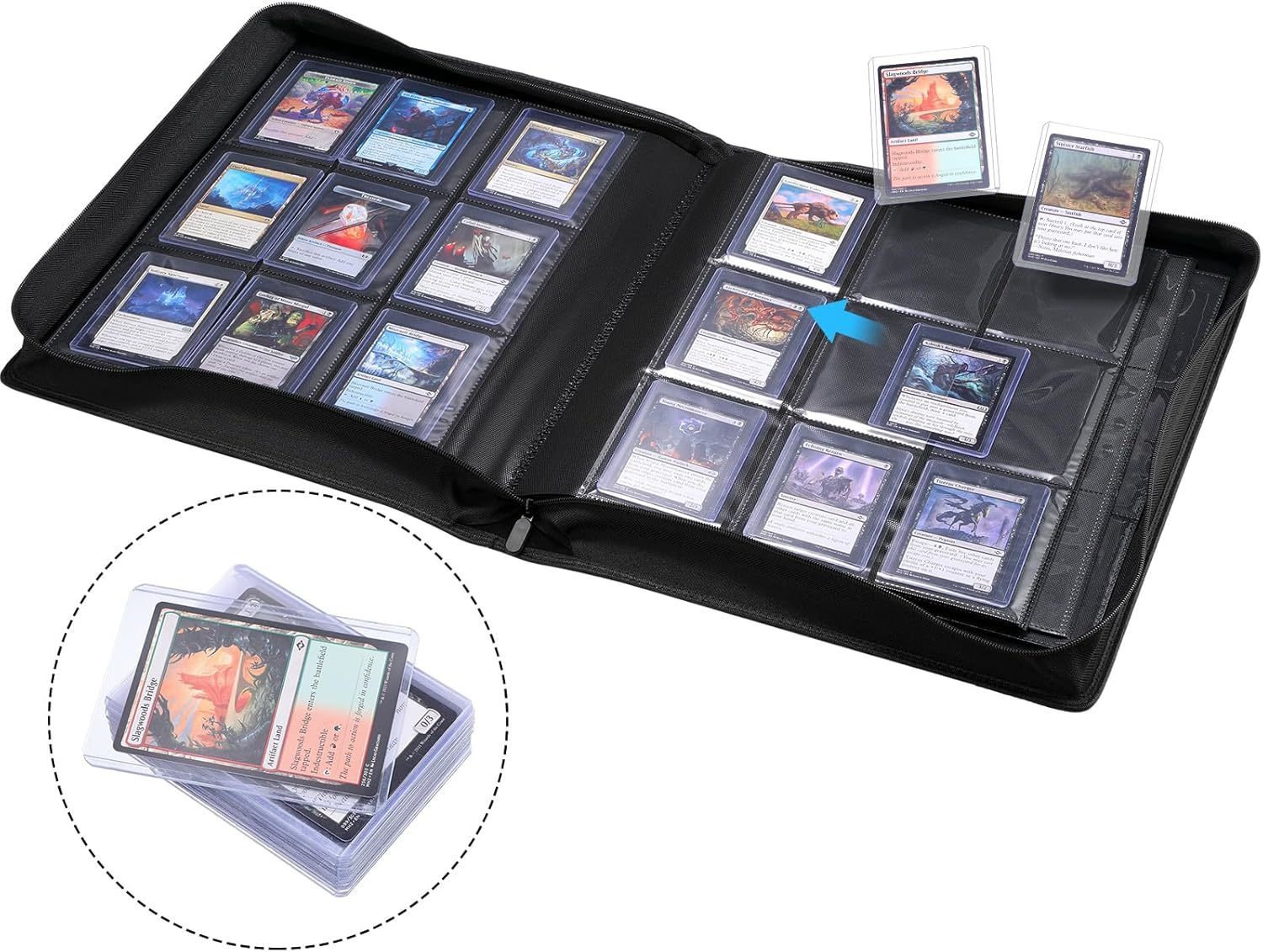








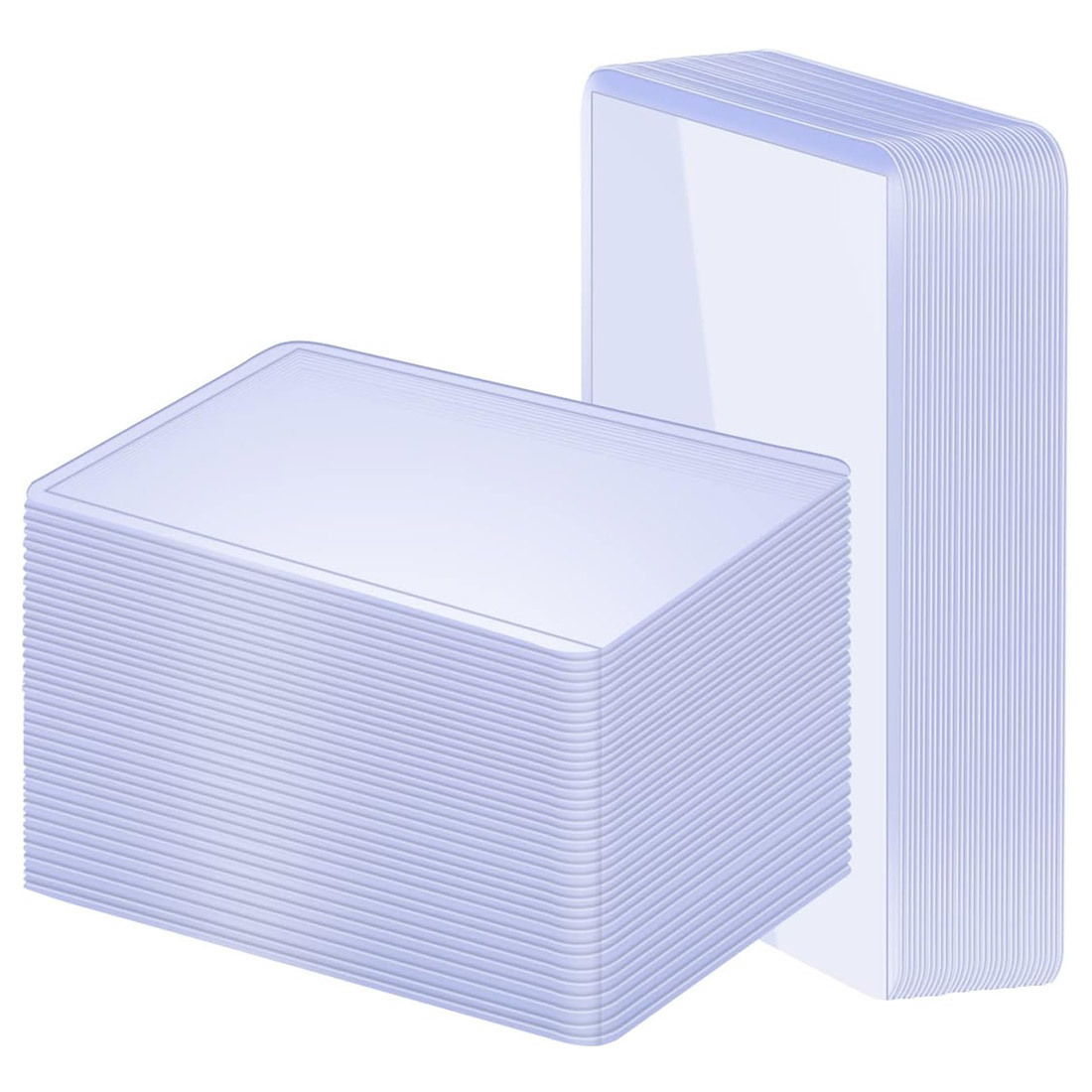


Exploring Different Materials for MTG Card Sleeves: A Comprehensive Guide
Release Time:
11 Apr,2026
Exploring Different Materials for MTG Card Sleeves: A Comprehensive Guide
Table of Contents
1. Introduction to MTG Card Sleeves
2. Importance of Choosing the Right Material
3. Common Materials Used for MTG Card Sleeves
3.1. PVC (Polyvinyl Chloride)
3.2. Polypropylene
3.3. Mylar
3.4. Paper
4. Pros and Cons of Each Ma
Exploring Different Materials for MTG Card Sleeves: A Comprehensive Guide
Table of Contents
- 1. Introduction to MTG Card Sleeves
- 2. Importance of Choosing the Right Material
- 3. Common Materials Used for MTG Card Sleeves
- 4. Pros and Cons of Each Material
- 5. Factors to Consider When Choosing Card Sleeves
- 6. Tips for Maintaining Your Card Sleeves
- 7. Frequently Asked Questions (FAQs)
- 8. Conclusion
1. Introduction to MTG Card Sleeves
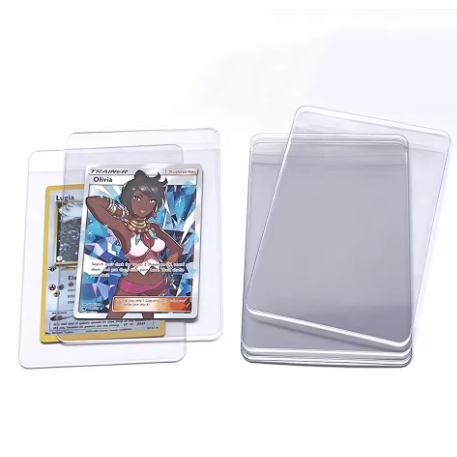
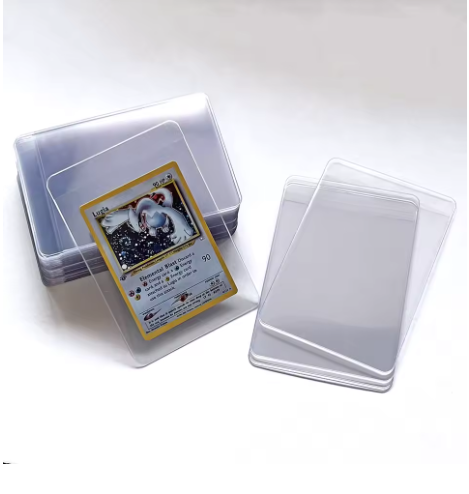
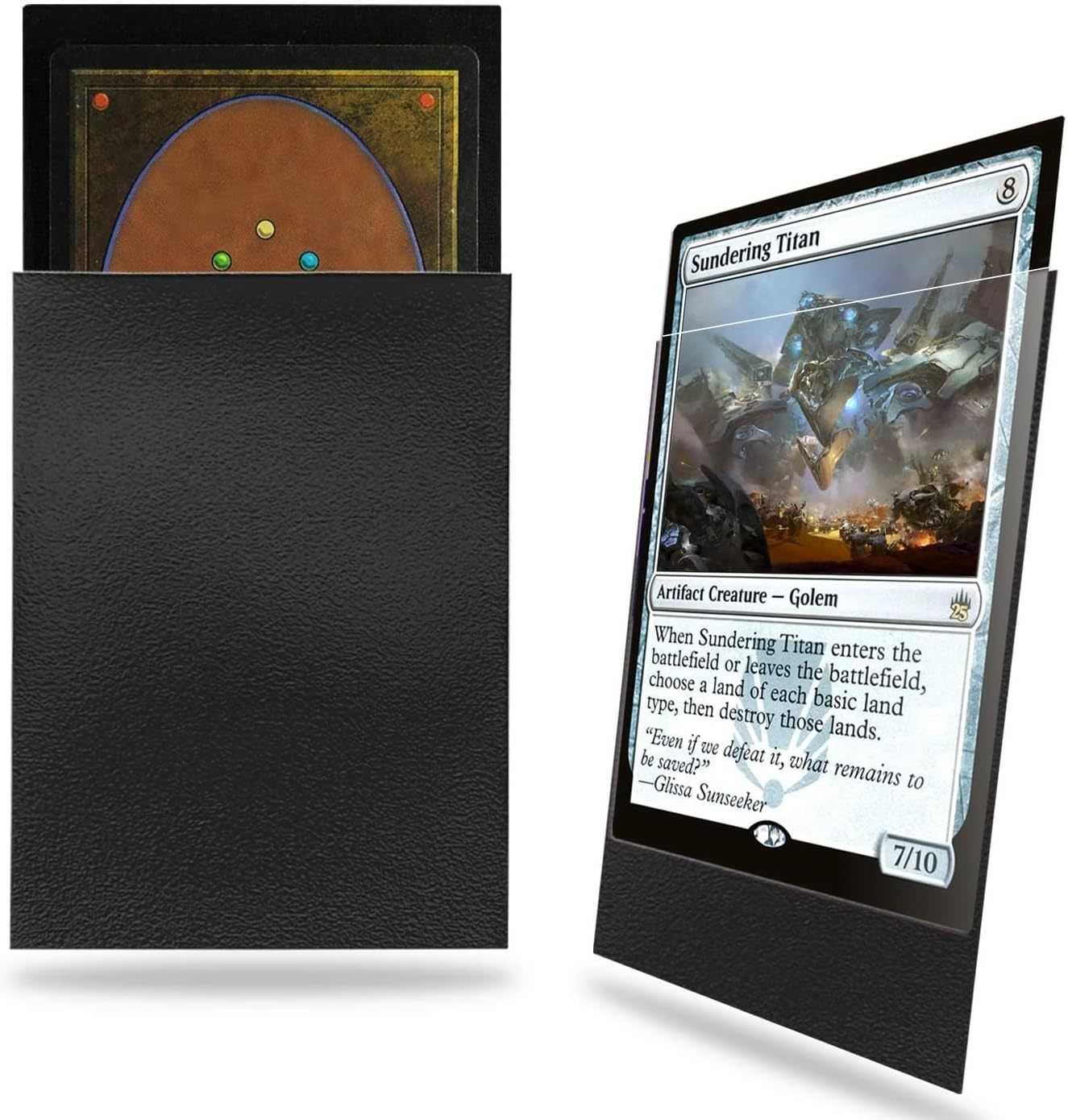
In the world of Magic: The Gathering (MTG), card sleeves are not just a luxury; they are a necessity. As avid players, we understand the importance of keeping our cards in top-notch condition, whether it’s for casual play or competitive tournaments. Card sleeves protect our precious cards from wear and tear, dirt, moisture, and accidental damages. In this comprehensive guide, we delve into the various materials used in MTG card sleeves, helping you make an informed choice for your collection.
2. Importance of Choosing the Right Material
Choosing the right material for your MTG card sleeves is crucial. Each material offers different levels of protection, durability, and aesthetics. Some players might prioritize visibility, while others may focus on long-term protection. Understanding the distinctions between materials allows us to select sleeves that not only protect our cards but also enhance our gameplay experience.
3. Common Materials Used for MTG Card Sleeves
When it comes to MTG card sleeves, several materials dominate the market. Let’s explore each of these materials in detail.
3.1. PVC (Polyvinyl Chloride)
PVC is one of the most common materials used in card sleeves. It is known for its durability and cost-effectiveness. PVC sleeves provide a solid protective barrier against scratches and dirt. However, they are less flexible than other materials, which may affect the shuffling experience. Additionally, PVC can sometimes react with the ink on cards, potentially leading to discoloration over time.
3.2. Polypropylene
Polypropylene sleeves are highly popular among MTG players due to their lightweight and flexible nature. They offer excellent clarity and do not contain harmful chemicals that can damage cards. Polypropylene is also more resistant to moisture and tearing compared to PVC, making it a preferred choice for players who frequently participate in tournaments. However, it’s essential to ensure that the sleeves are of high quality to prevent them from bending easily.
3.3. Mylar
Mylar sleeves are made from a polyester film that is known for its durability and resistance to moisture. These sleeves provide an unparalleled level of protection against bending and curling. Mylar is often used for high-value cards because it does not warp or yellow over time, ensuring long-lasting preservation. On the downside, Mylar sleeves can be more expensive than other materials, making them a less common choice for casual players.
3.4. Paper
While not as widely used as the other materials, paper sleeves can provide a temporary solution for casual gaming. They are often used for deck boxes and offer minimal protection. Paper sleeves are lightweight and inexpensive, making them suitable for players who do not need extensive protection. However, they are susceptible to damage from spills or rough handling, so they are not recommended for serious play.
4. Pros and Cons of Each Material
To help you choose the best card sleeve material for your needs, here’s a breakdown of the pros and cons of each type.
PVC (Polyvinyl Chloride)
- Pros: Cost-effective, durable, good scratch protection.
- Cons: Can react with ink, less flexible, affects shuffling experience.
Polypropylene
- Pros: Lightweight, flexible, high clarity, moisture-resistant.
- Cons: Quality varies; some may bend easily.
Mylar
- Pros: Excellent durability, moisture-resistant, long-lasting preservation.
- Cons: Higher cost, less common for casual play.
Paper
- Pros: Inexpensive, lightweight, good for temporary storage.
- Cons: Minimal protection, susceptible to damage.
5. Factors to Consider When Choosing Card Sleeves
When selecting the perfect card sleeves, several factors should guide our decision-making process.
5.1. Thickness and Durability
The thickness of the sleeve can significantly impact its durability. Thicker sleeves generally offer better protection but can also feel bulkier. Finding a balance between thickness and usability is crucial for optimal performance during gameplay.
5.2. Transparency and Clarity
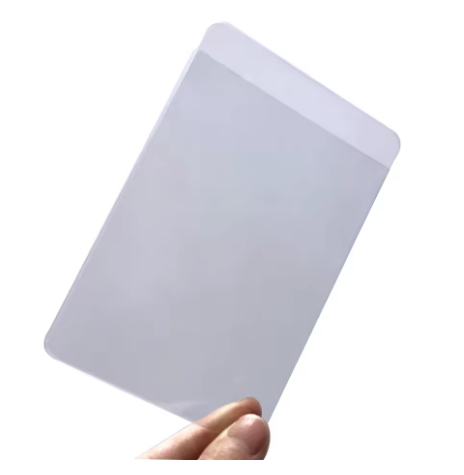
For players who want their cards to be visible without removing them from the sleeves, clarity is vital. High-quality sleeves should provide a clear view of the card's artwork and text without distortion.
5.3. Cost and Affordability
While some materials, like Mylar, offer excellent protection, they can be pricier. Consider your budget and how often you play when determining how much to invest in card sleeves. Sometimes, a middle-ground option like polypropylene might offer the best value.
6. Tips for Maintaining Your Card Sleeves
Proper maintenance will extend the life of your card sleeves and ensure they continue to protect your cards effectively. Here are some tips:
1. **Keep Them Clean**: Regularly wipe down the sleeves with a soft, dry cloth to remove dirt and oil.
2. **Store Properly**: Avoid leaving your sleeves in direct sunlight or extreme temperatures, which can warp or discolor them.
3. **Handle with Care**: When shuffling or handling your cards, use gentle movements to prevent undue stress on the sleeves.
7. Frequently Asked Questions (FAQs)
1. What are the best materials for MTG card sleeves?
While it depends on personal preference, polypropylene and Mylar are among the best for durability and protection.
2. How often should I replace my card sleeves?
It's advisable to replace them once they show signs of wear or if they become discolored.
3. Can I use card sleeves for other trading card games?
Absolutely! Most standard-sized sleeves work with various trading card games.
4. Are thicker sleeves better for card protection?
Yes, thicker sleeves generally offer better protection, but they may also feel bulkier.
5. How do I know if my card sleeves are of good quality?
Look for reviews, check the material, and ensure they have a reputable brand backing them.
8. Conclusion
In conclusion, choosing the right material for your MTG card sleeves is an essential decision that can affect the longevity and condition of your cards. By understanding the various materials available and their respective advantages and disadvantages, we can make informed choices that suit our gameplay style and budget. Whether you opt for the durability of Mylar or the flexibility of polypropylene, investing in quality card sleeves is crucial for any serious Magic: The Gathering player dedicated to maintaining their collection. Happy gaming and sleeve up your cards with confidence!
Key words:
Related News
CONTACT US
We will contact you within one working day. Please pay attention to your email.
Contact
Zoe
Northwest corner of the intersection of Xiyou Road and Qianshan Road, Zhengwu District, Shushan District, Hefei City China