

-
-
-
-
Coin/Currency & Bill
-
-
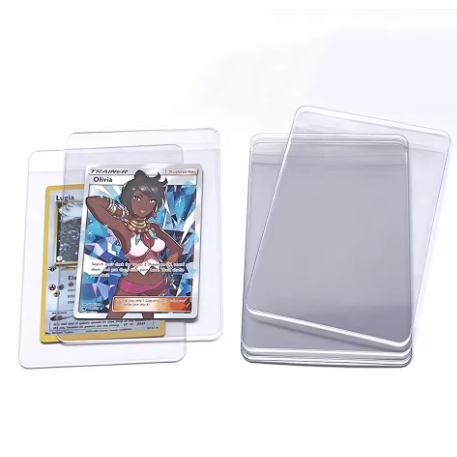
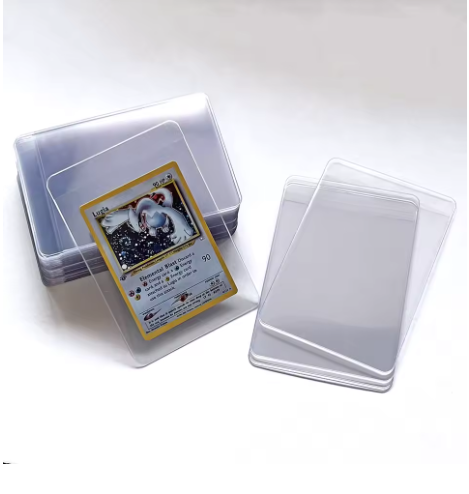
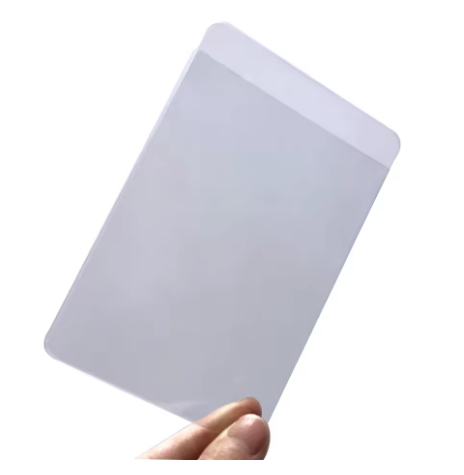

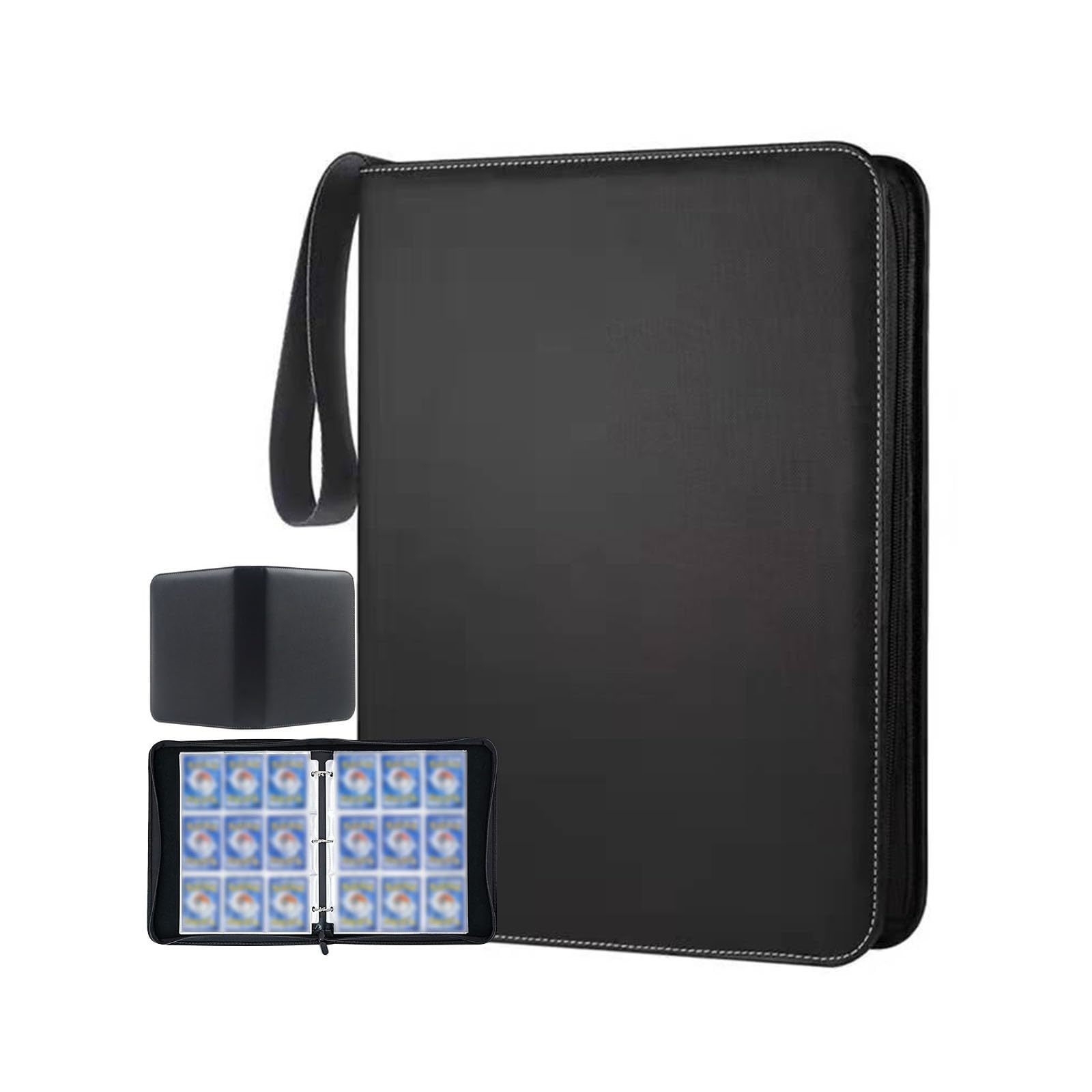
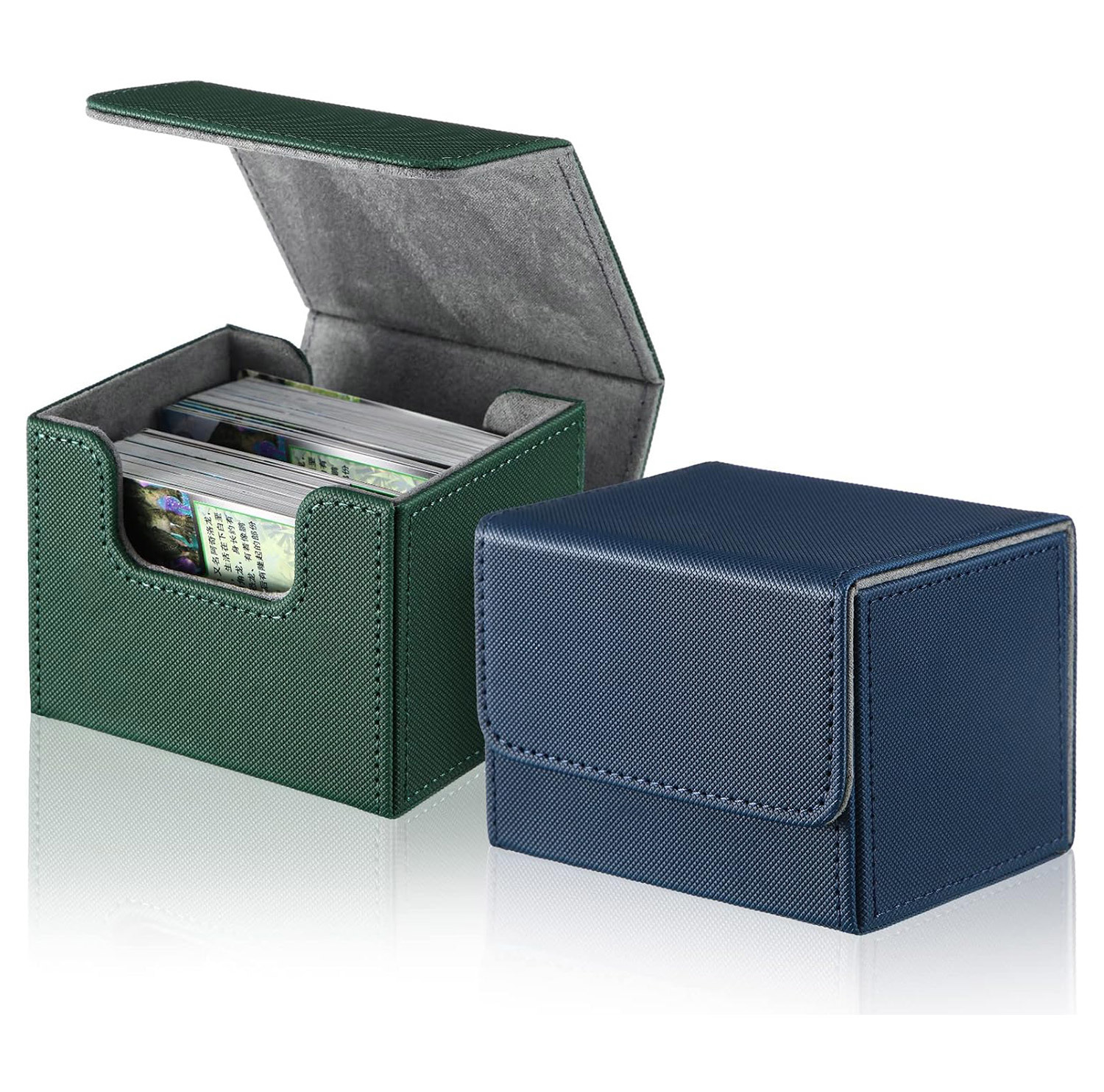
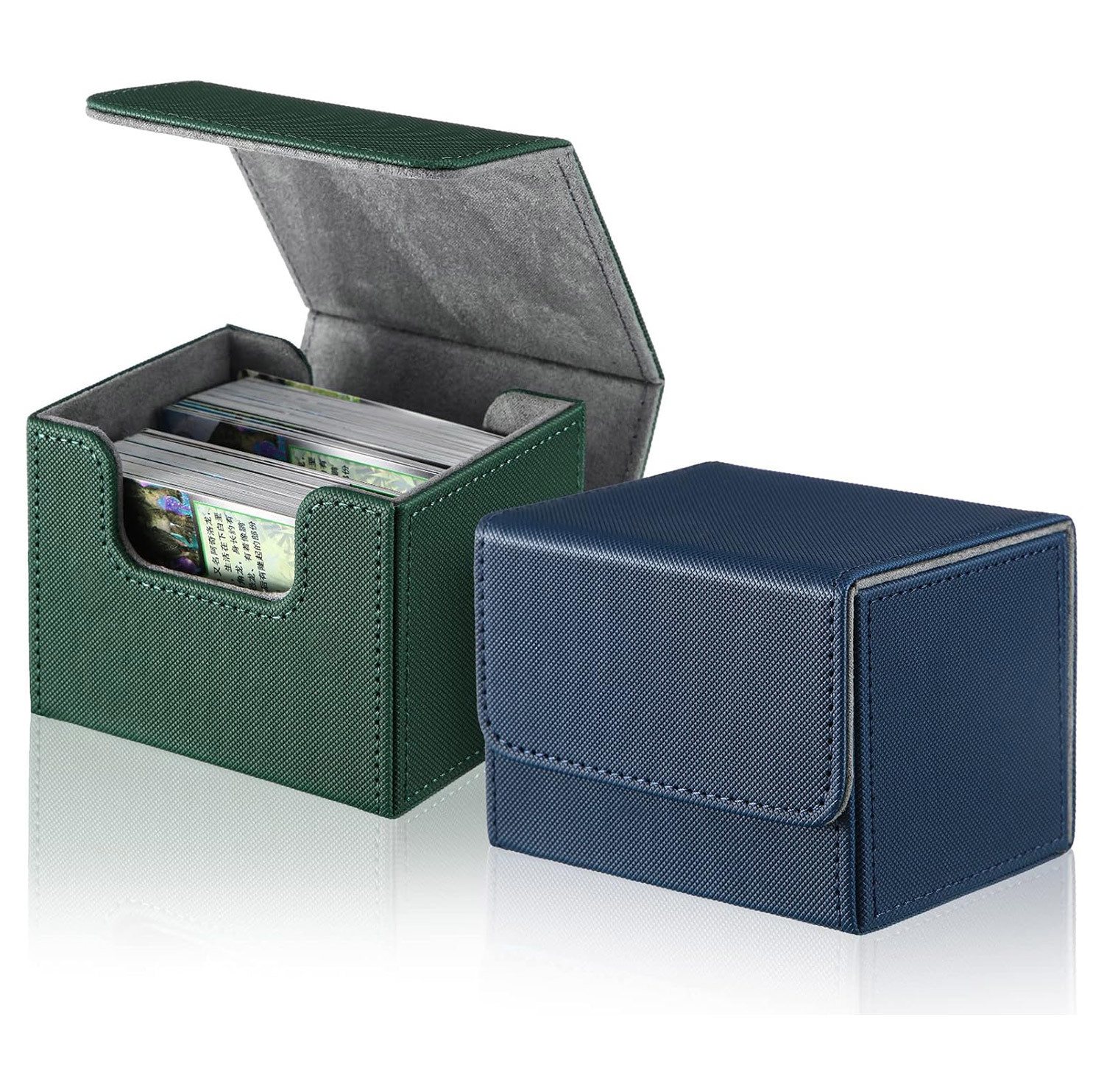


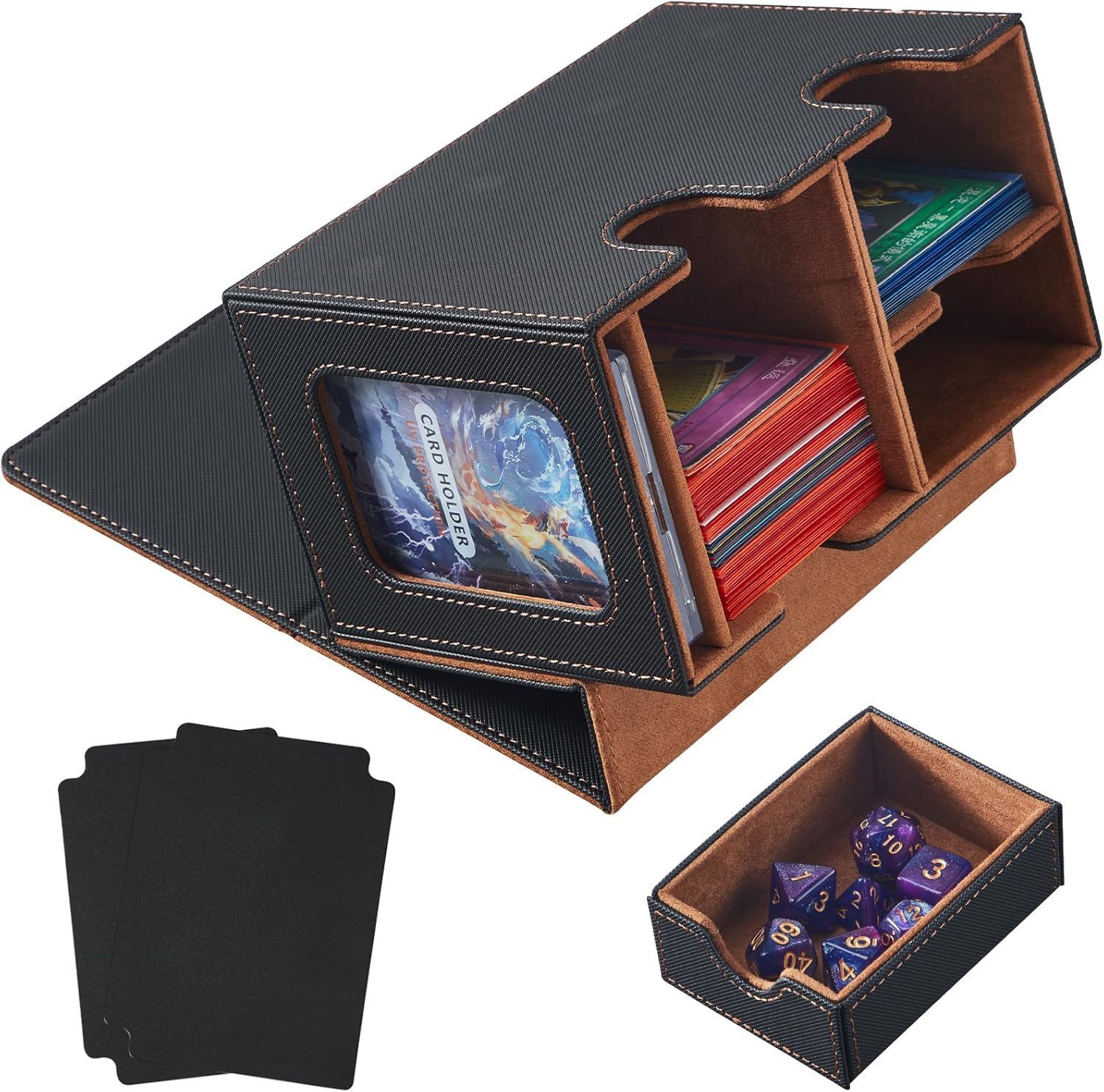

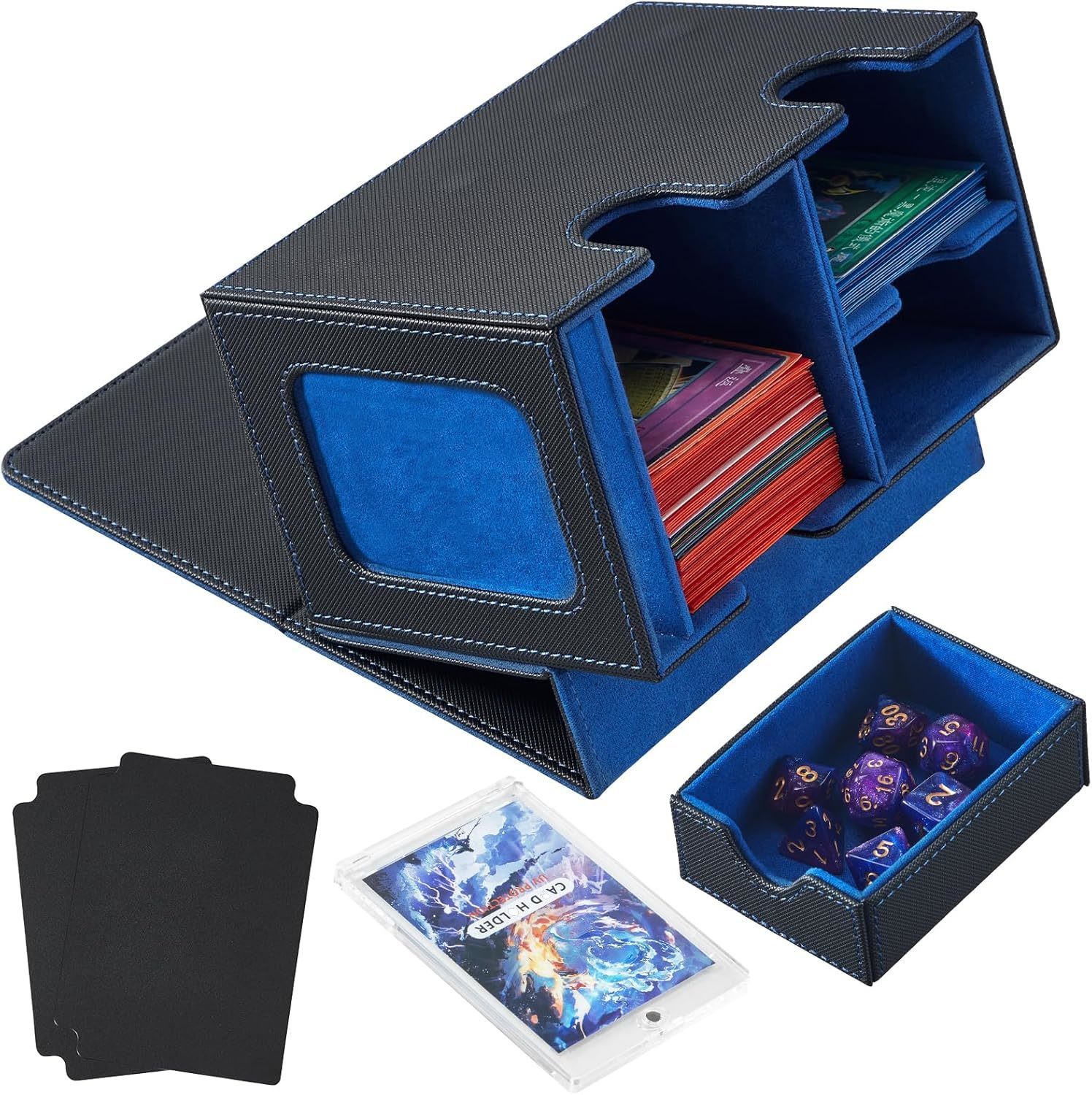
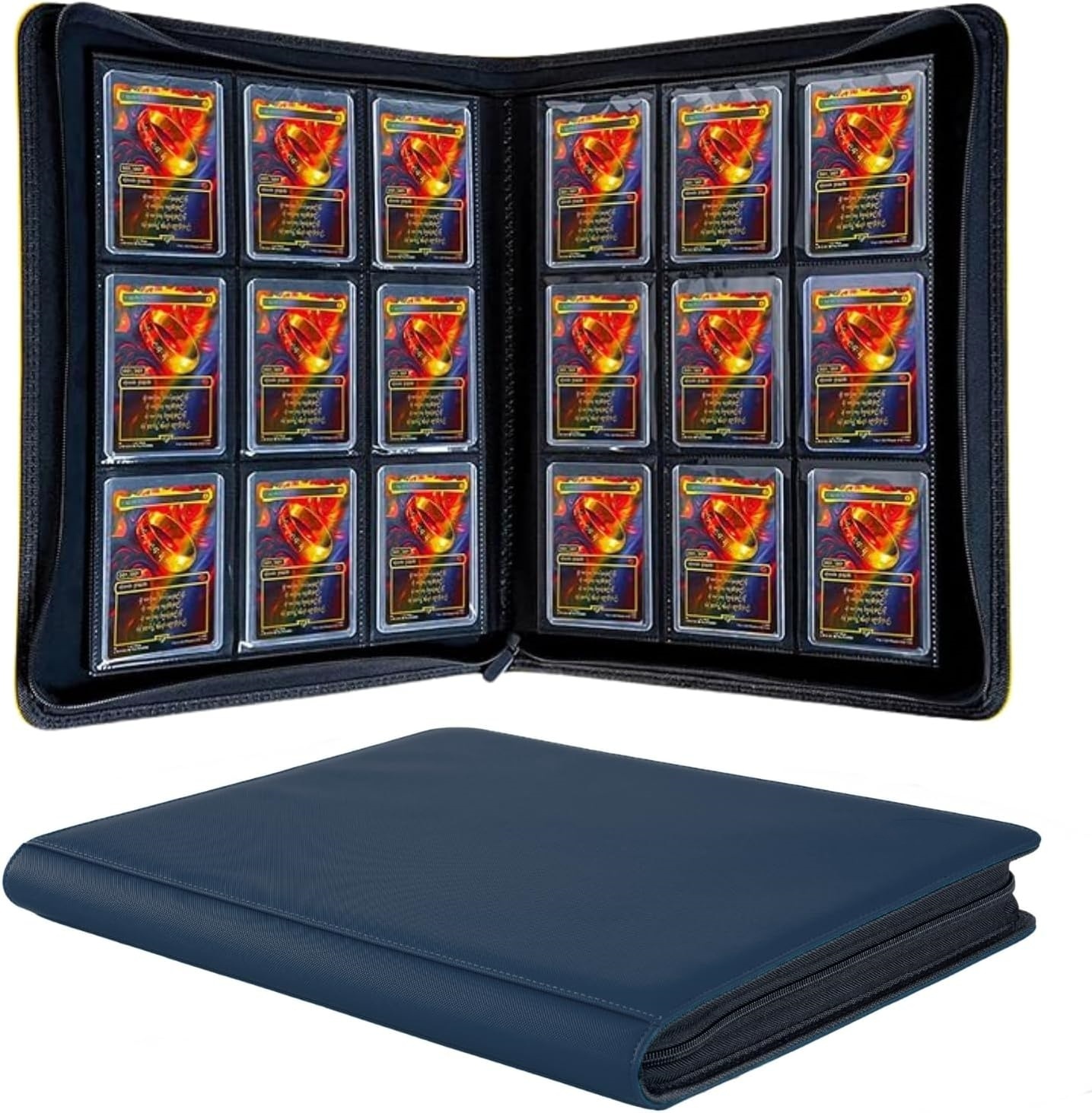
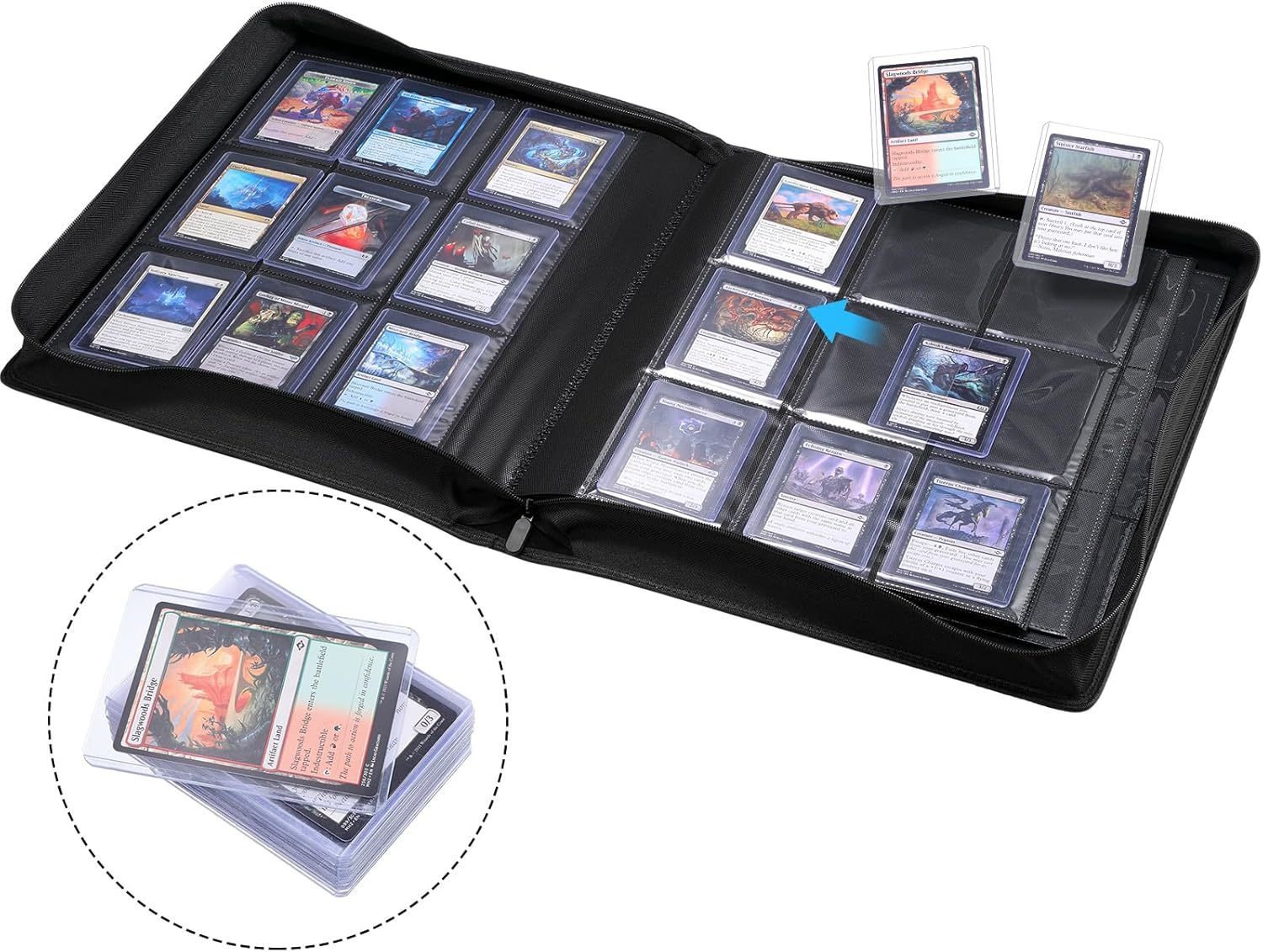






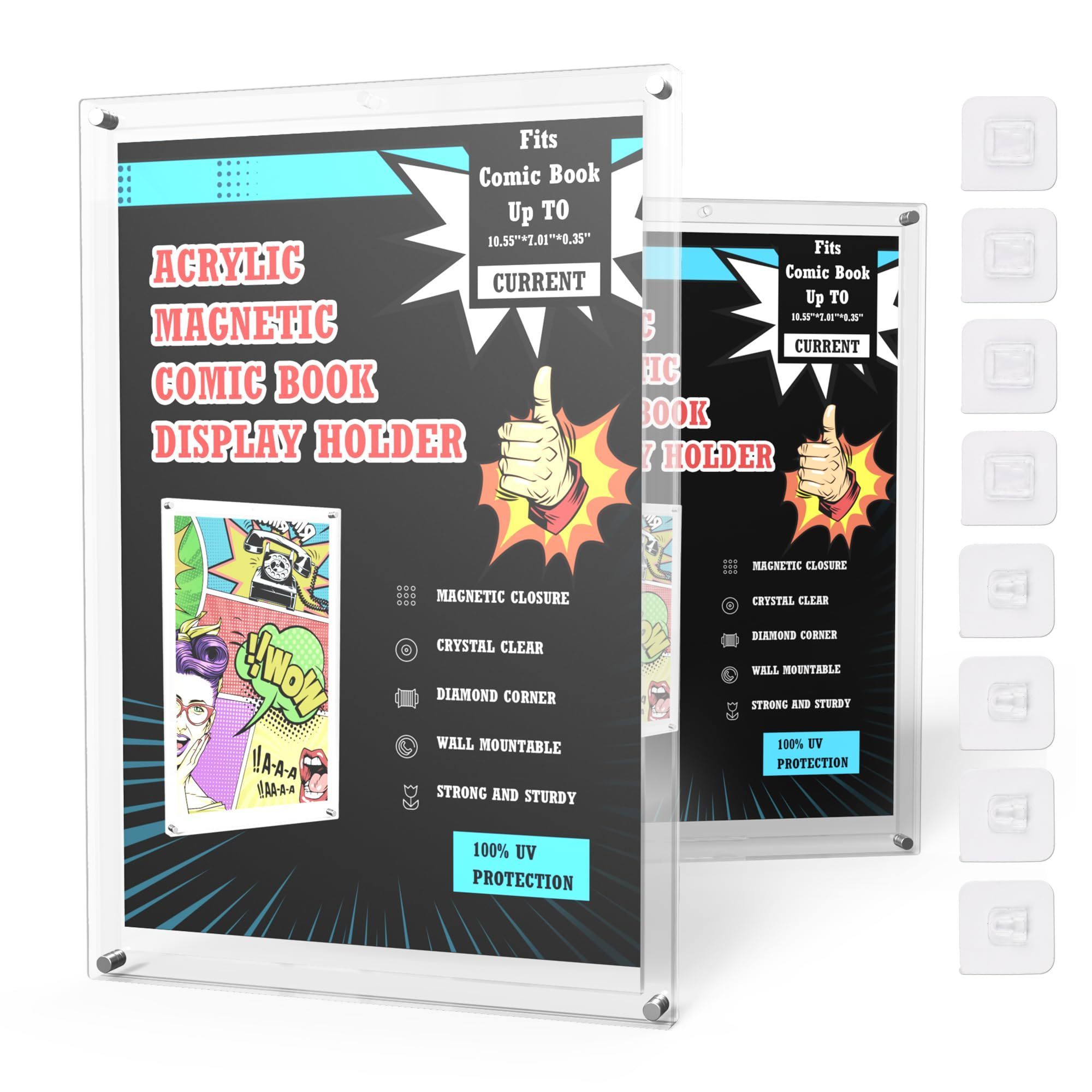
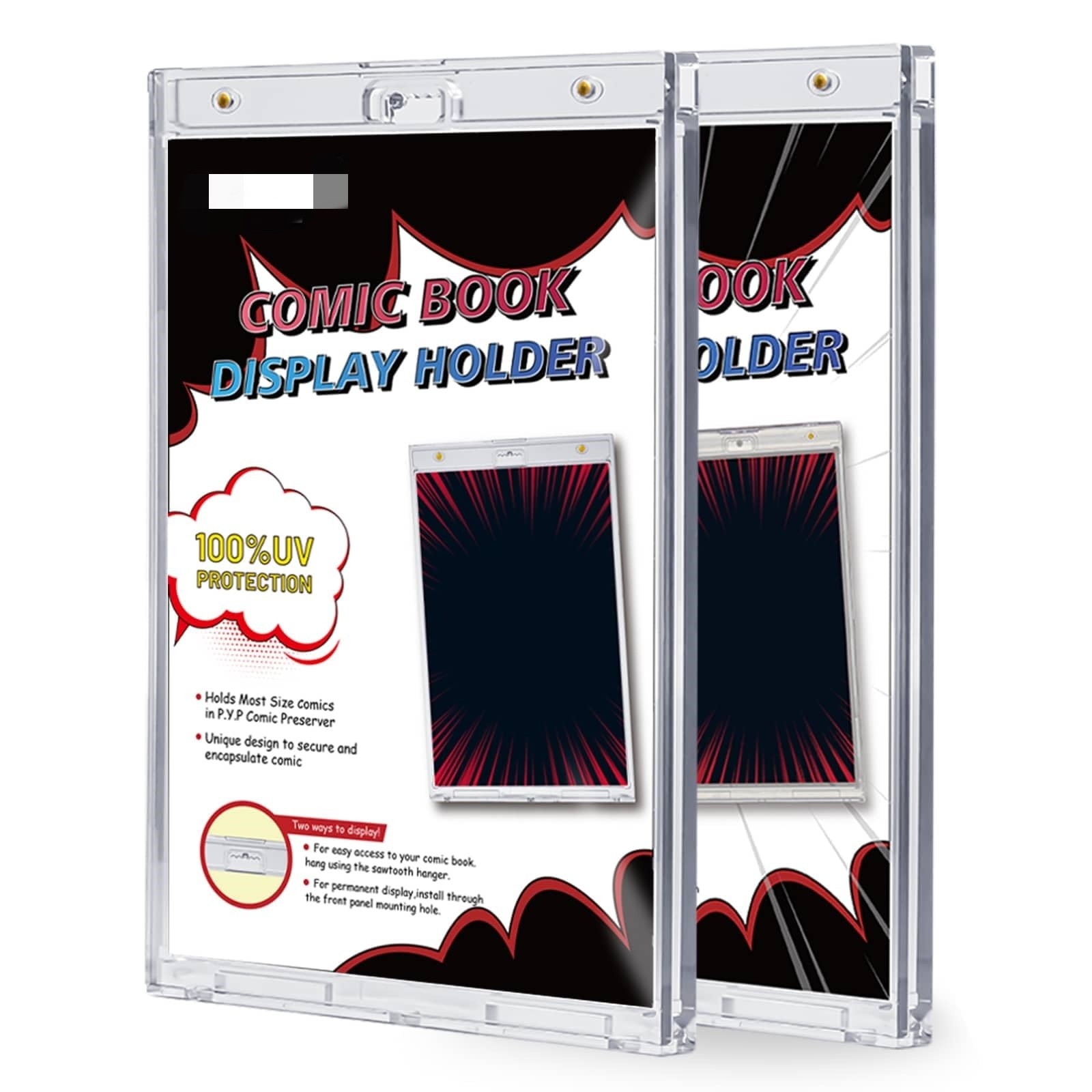

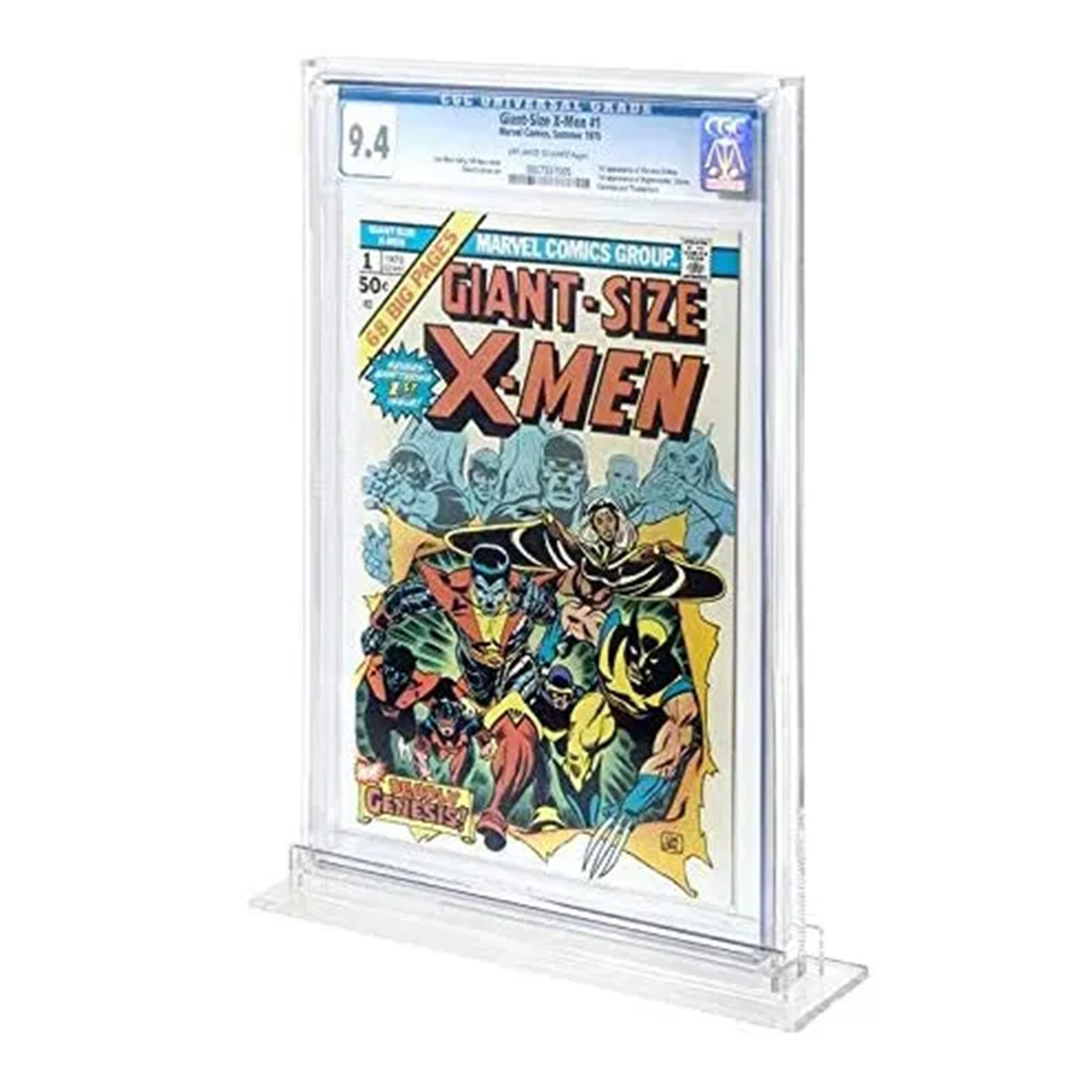
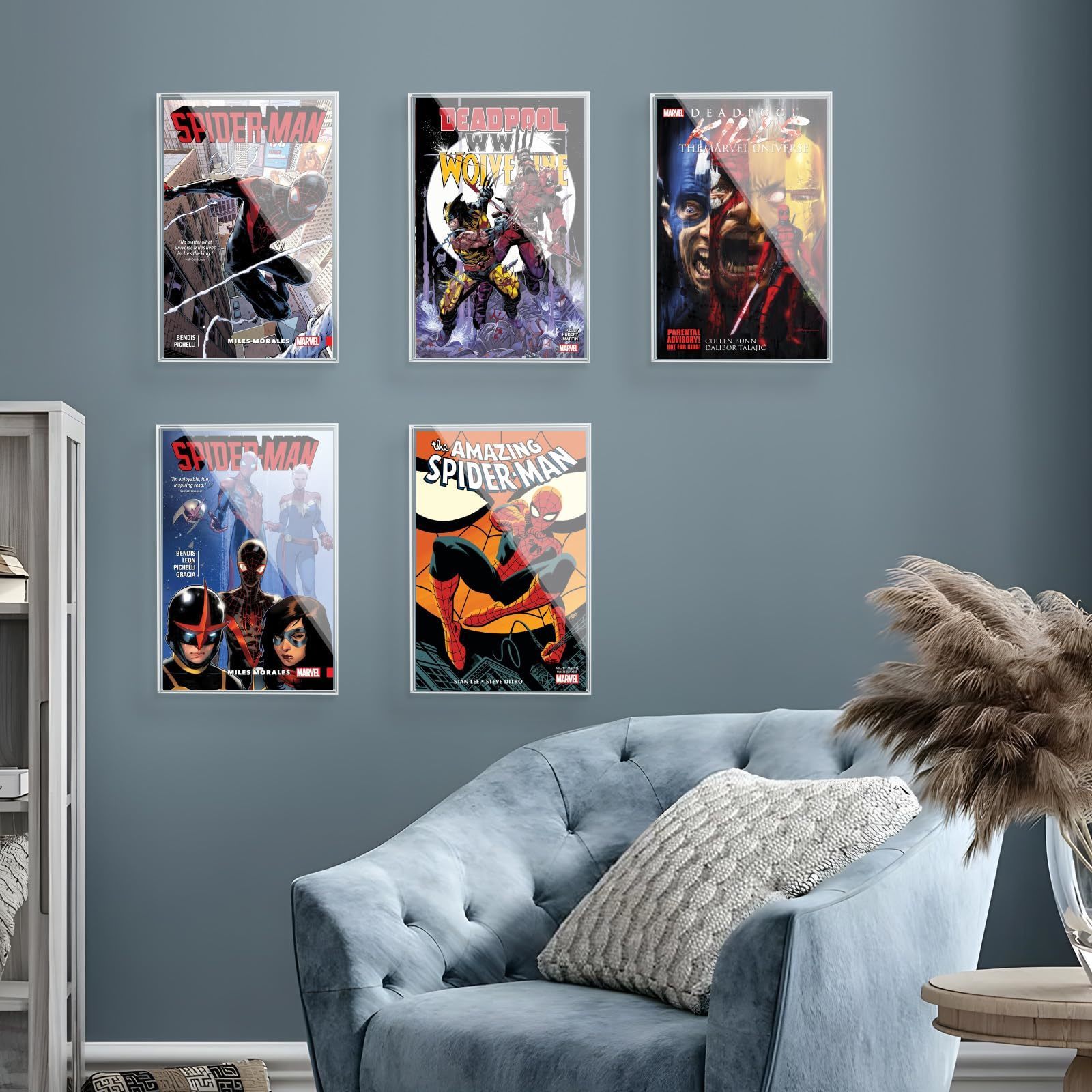








How Semi-Rigid Card Holders Are Powering the Trading Card Industry
Release Time:
20 Mar,2026
1. Introduction to Semi-Rigid Card Holders
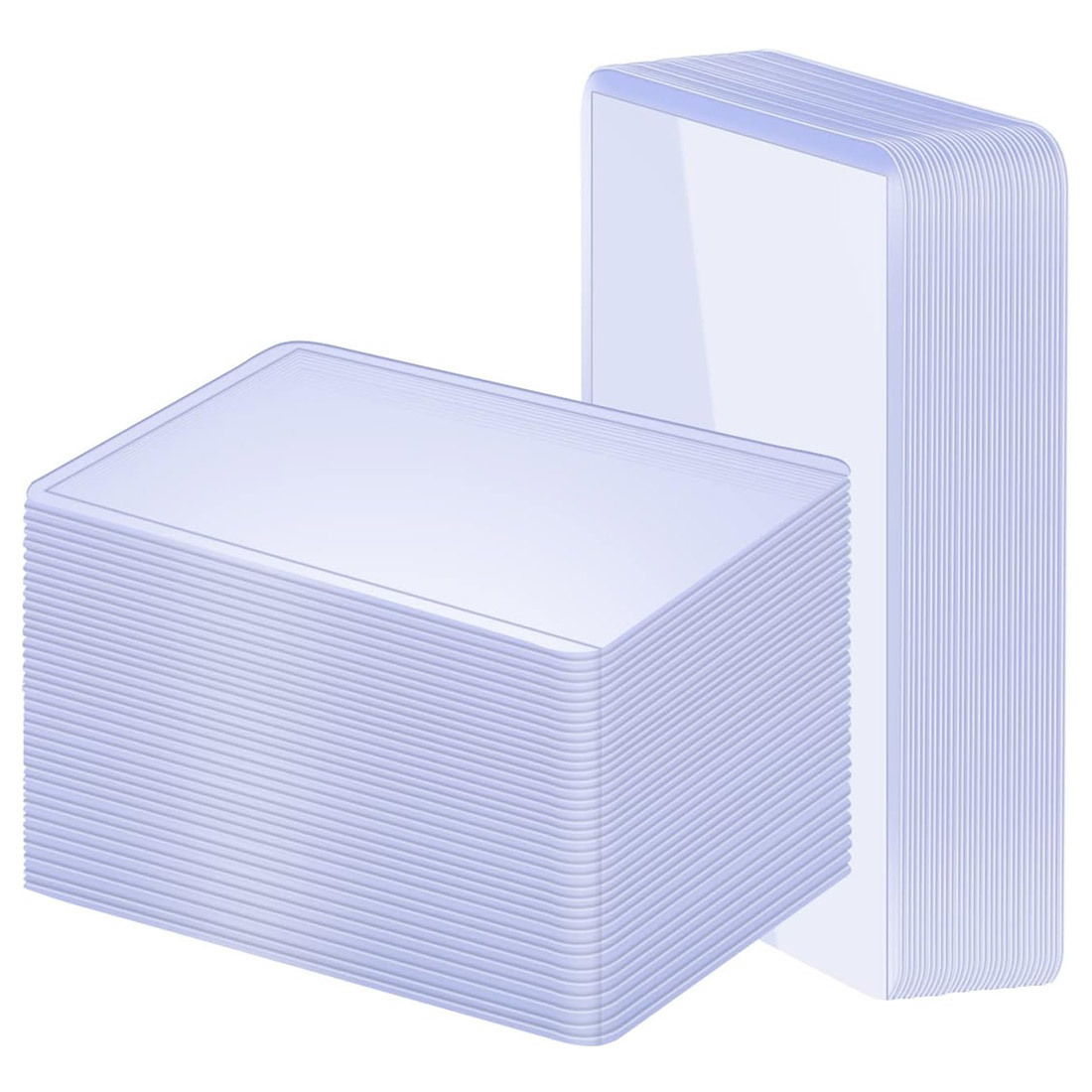
In the fast-growing trading card market, safe handling and efficient submission processes are critical. Semi-rigid card holders have become a staple product, especially for grading submissions and bulk storage. They provide a balance between flexibility and protection, making them a go-to choice for both collectors and professional dealers.
2. What Makes Semi-Rigid Material Unique
Semi-rigid holders are designed to be slightly flexible while maintaining structural integrity.
2.1 Flexible Yet Supportive
Unlike top loaders, semi-rigid holders allow slight bending without cracking, reducing the risk of card edge damage during shipping.
2.2 Lightweight & Cost-Efficient
Their lightweight design lowers shipping costs, making them ideal for bulk orders and international trade.
2.3 Grading-Friendly Design
Widely accepted by grading companies, semi-rigid holders make card insertion and removal safer and more efficient.
3. Why Collectors and Dealers Prefer Them
Semi-rigid holders are trusted across the industry for both practicality and reliability.
3.1 Ideal for Submissions
They are commonly required or recommended for submitting cards to grading services, ensuring smooth processing.
3.2 Safe Handling
The design minimizes pressure on card corners and surfaces, helping maintain condition during transit.
4. Key Use Cases in the Market
4.1 Card Grading Submissions
The most common use—protecting cards during shipment to grading companies.
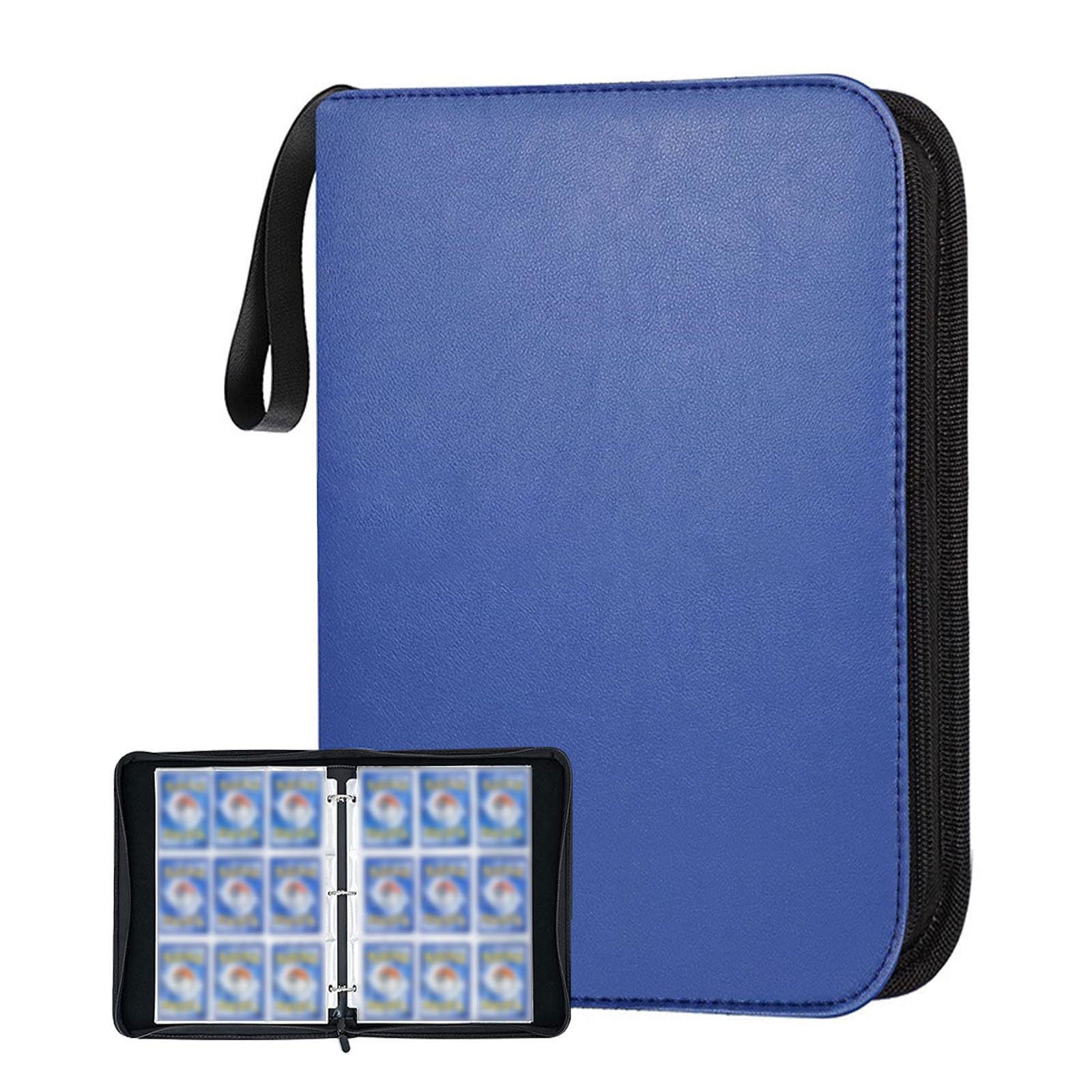
4.2 Bulk Storage & Organization
Perfect for organizing large inventories while keeping cards safe and accessible.
4.3 Wholesale & Distribution
Distributors favor semi-rigid holders due to their cost efficiency and ease of packaging.
5. How to Choose the Right Semi-Rigid Holder
5.1 Size Compatibility
Ensure the holder fits standard trading cards without excessive movement.
5.2 Material Quality
Higher-grade PVC ensures better clarity and durability.
5.3 Opening Design
Smooth edges and proper opening width help prevent accidental card damage during insertion.
6. Core Benefits for Business & Collectors
6.1 Reliable Protection
Shields cards from bending, dust, and handling damage.
6.2 Cost Advantage
Lower cost compared to rigid alternatives, ideal for bulk purchasing.
6.3 Operational Efficiency
Speeds up packing, shipping, and grading preparation processes.
7. Proper Handling & Storage Tips
7.1 Insert Cards Carefully
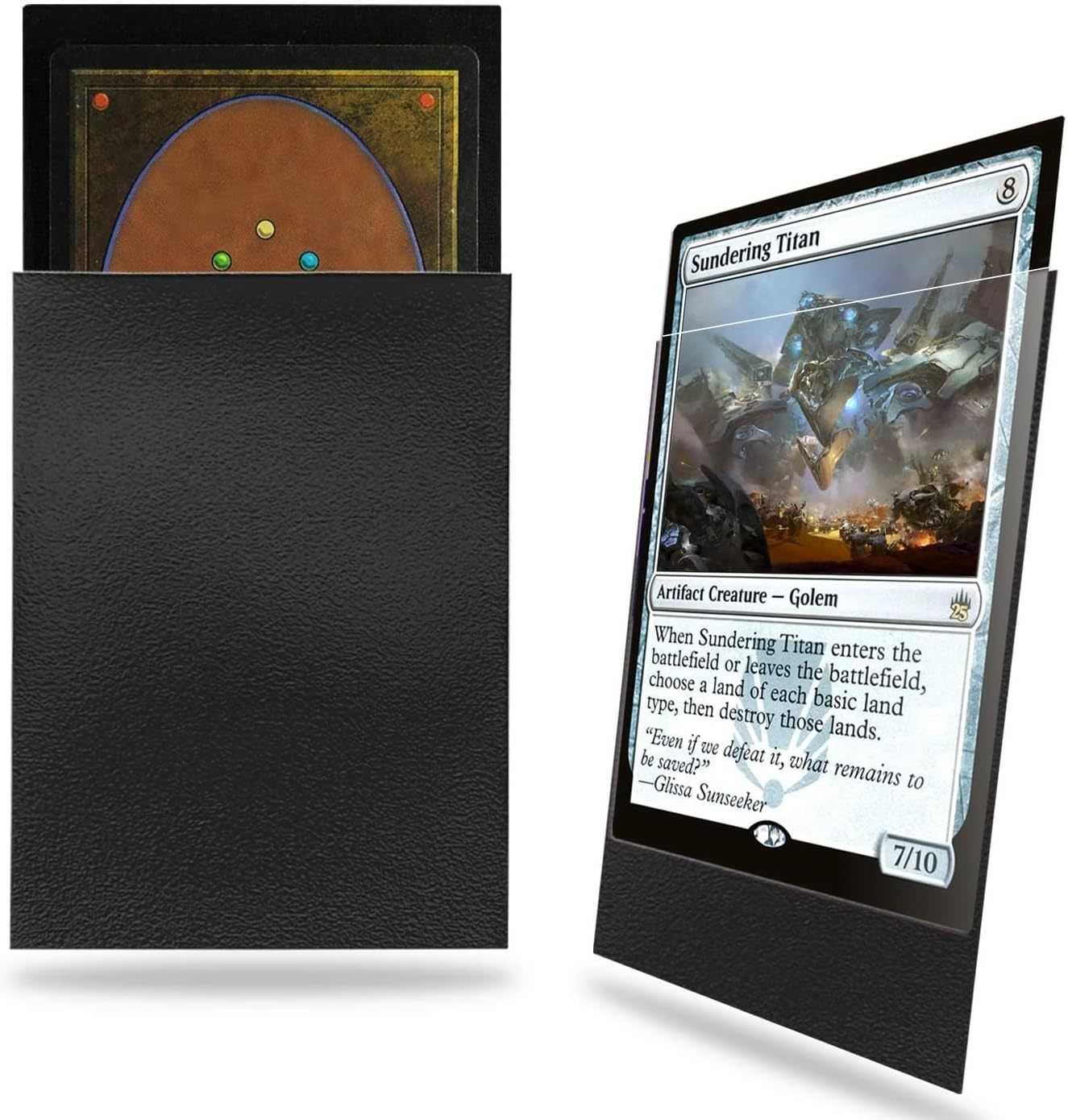
Use penny sleeves before inserting cards to avoid scratches.
7.2 Store in Controlled Conditions
Keep in a cool, dry place to prevent material warping over time.
8. Frequently Asked Questions (FAQs)
8.1 Are semi-rigid holders better than top loaders?
They serve different purposes—semi-rigid holders are better for grading submissions, while top loaders are better for display.
8.2 Do grading companies accept them?
Yes, they are widely recommended for submissions.
8.3 Can they protect high-value cards?
Yes, especially when combined with sleeves for added protection.
8.4 Are they suitable for bulk orders?
Absolutely, they are one of the most cost-effective options for large-scale use.
8.5 Do they scratch cards?
Not when used properly with inner sleeves.
Key words:
Related News
CONTACT US
We will contact you within one working day. Please pay attention to your email.
Contact
Zoe
Northwest corner of the intersection of Xiyou Road and Qianshan Road, Zhengwu District, Shushan District, Hefei City China