

-
-
-
-
Coin/Currency & Bill
-
-
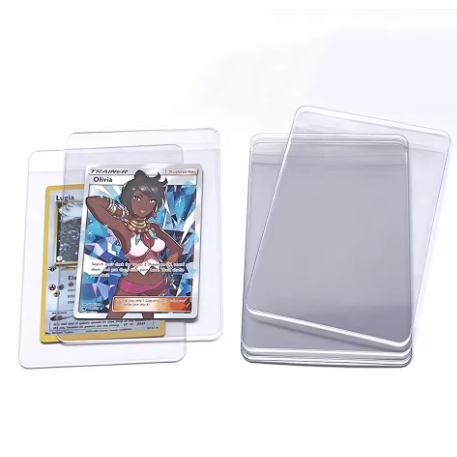
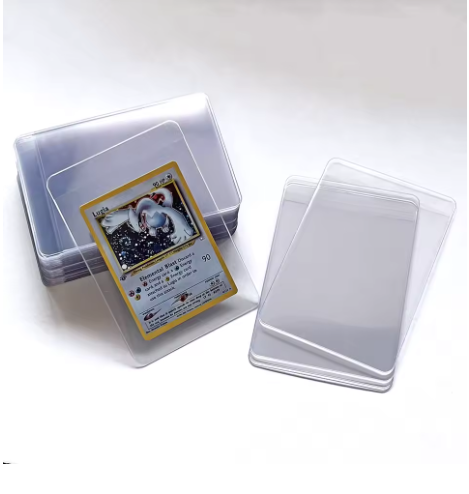
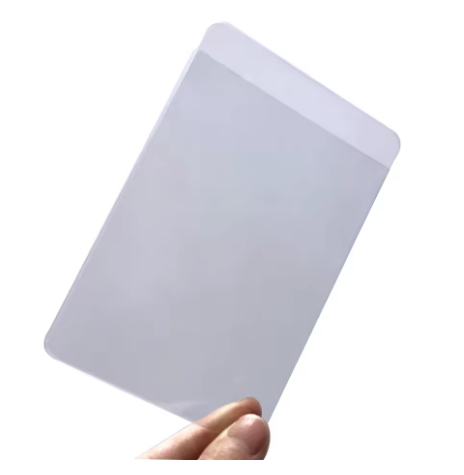

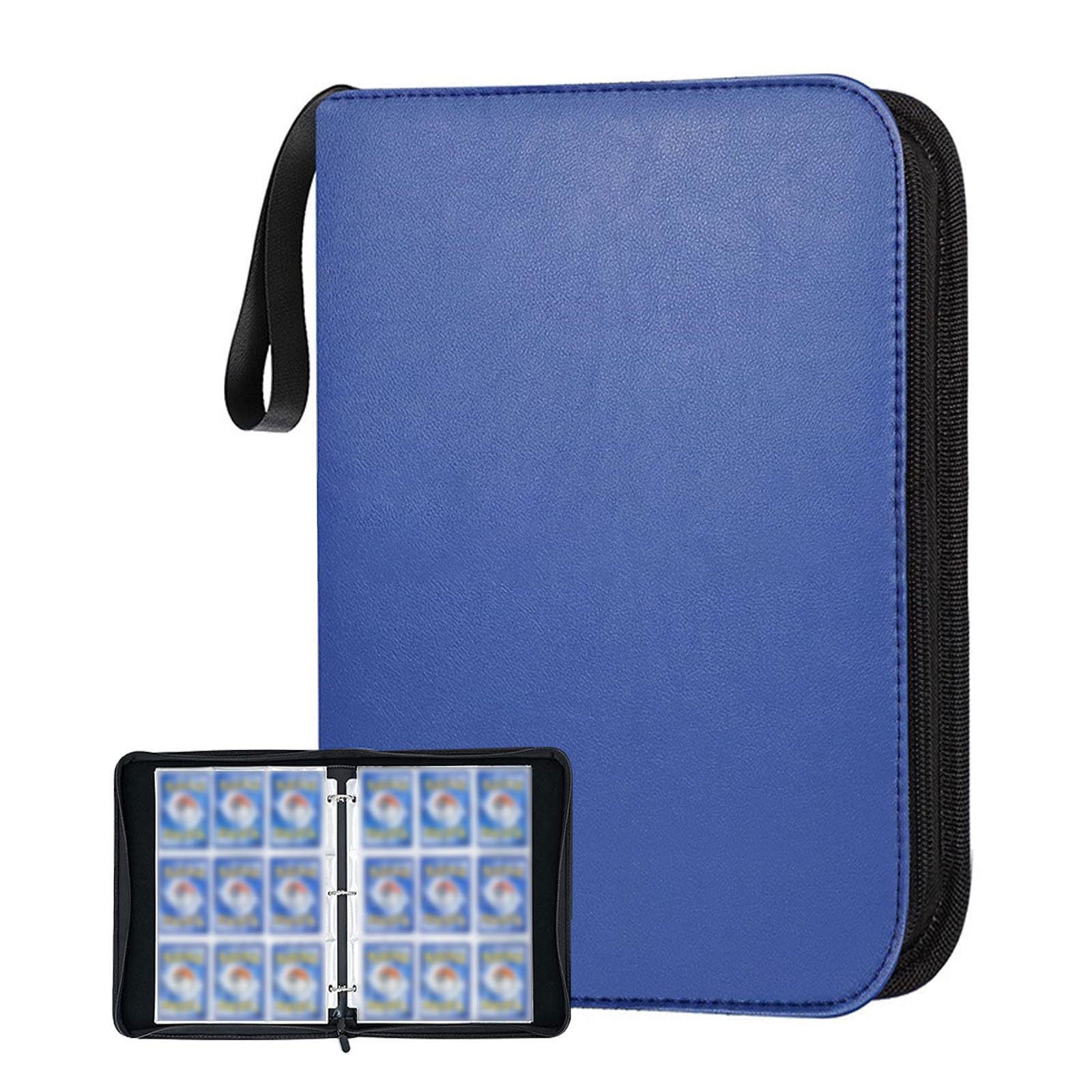
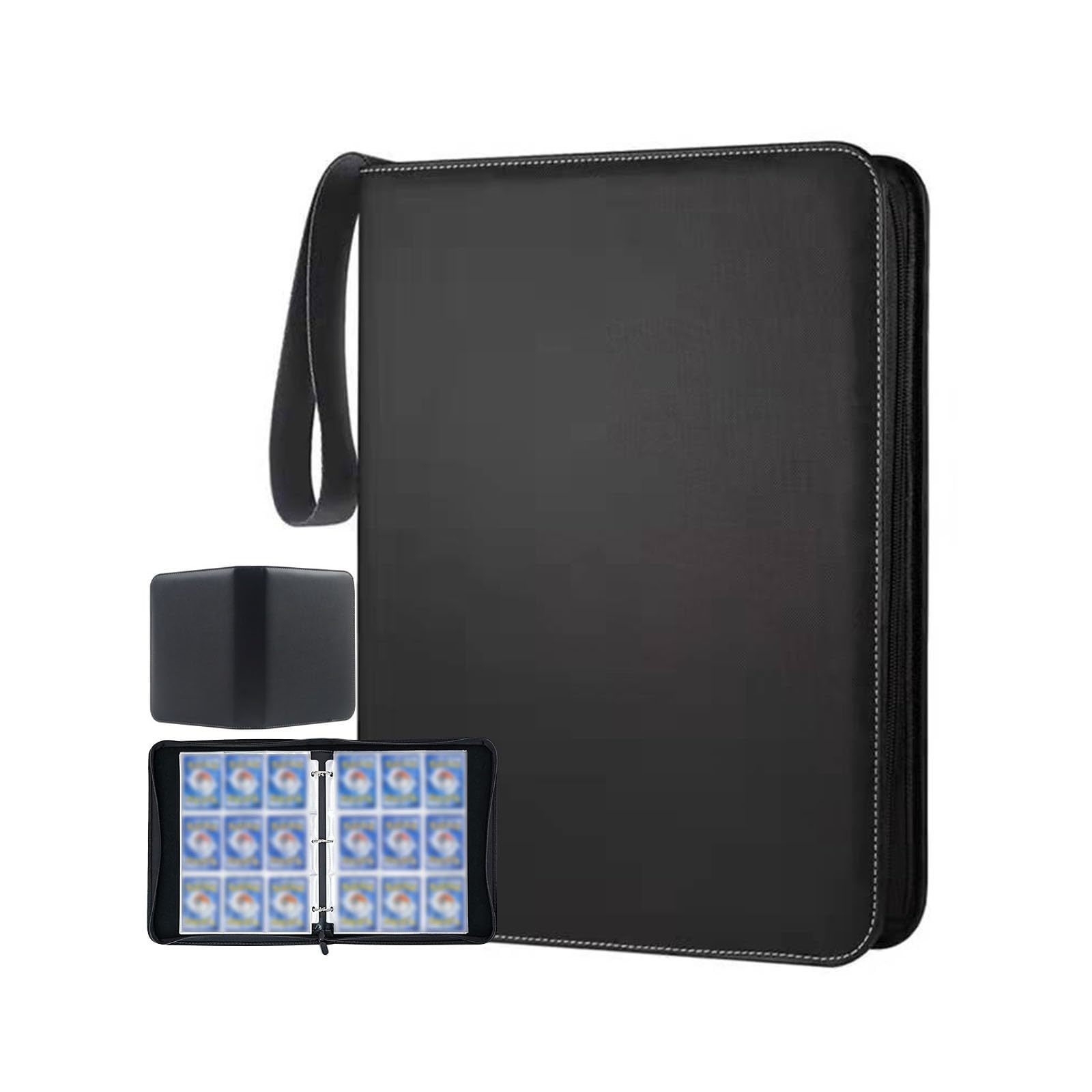
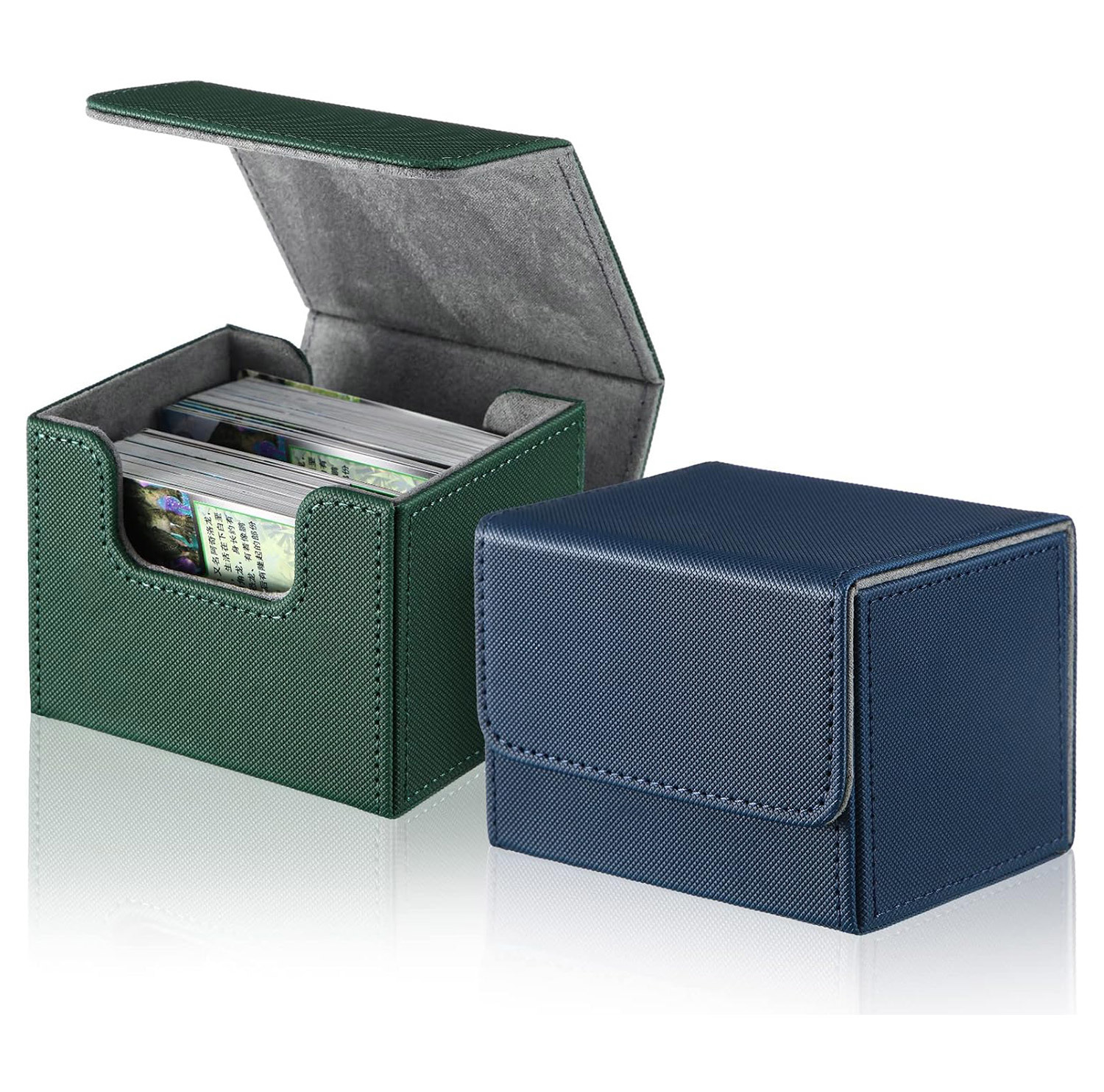
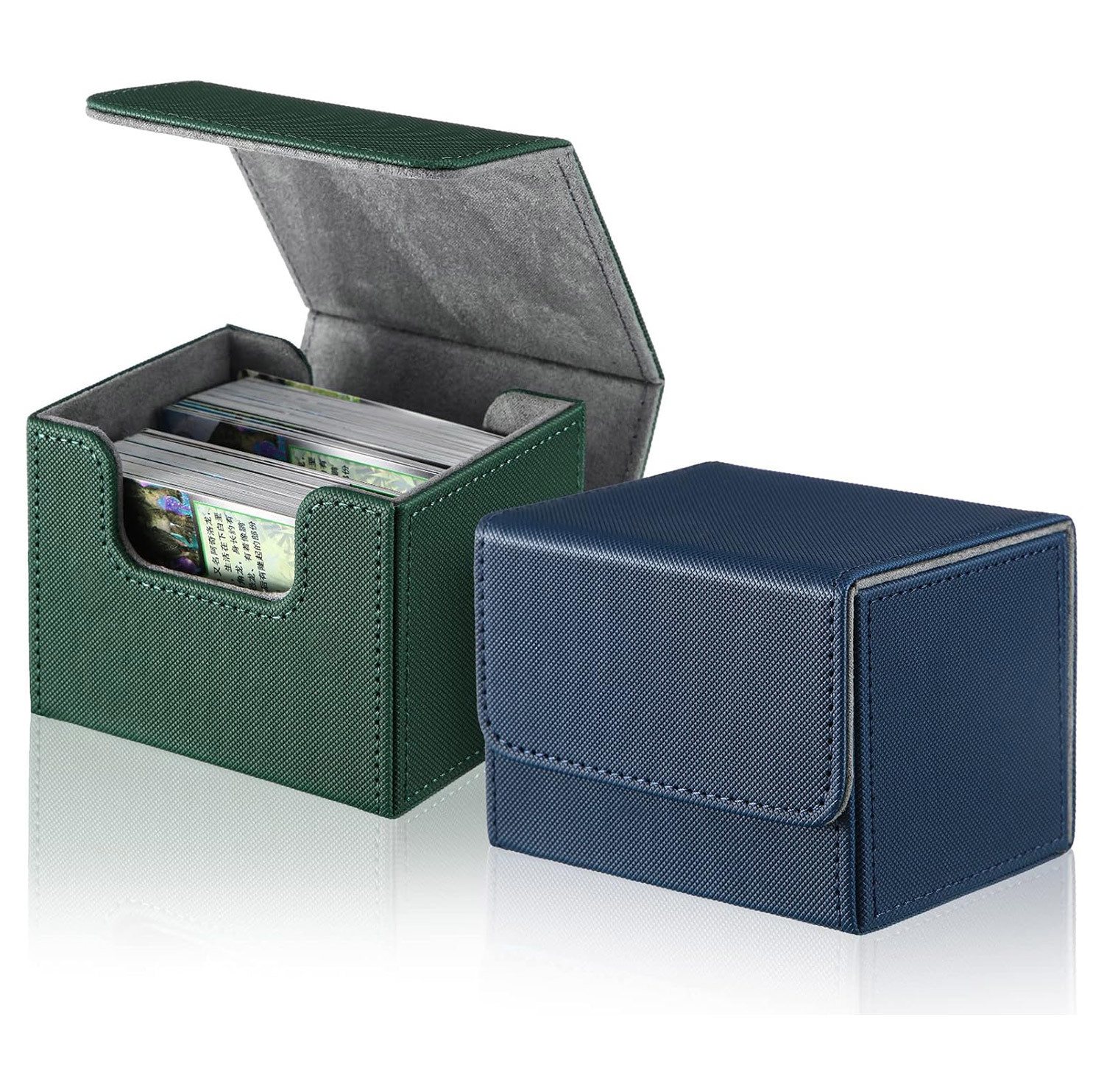


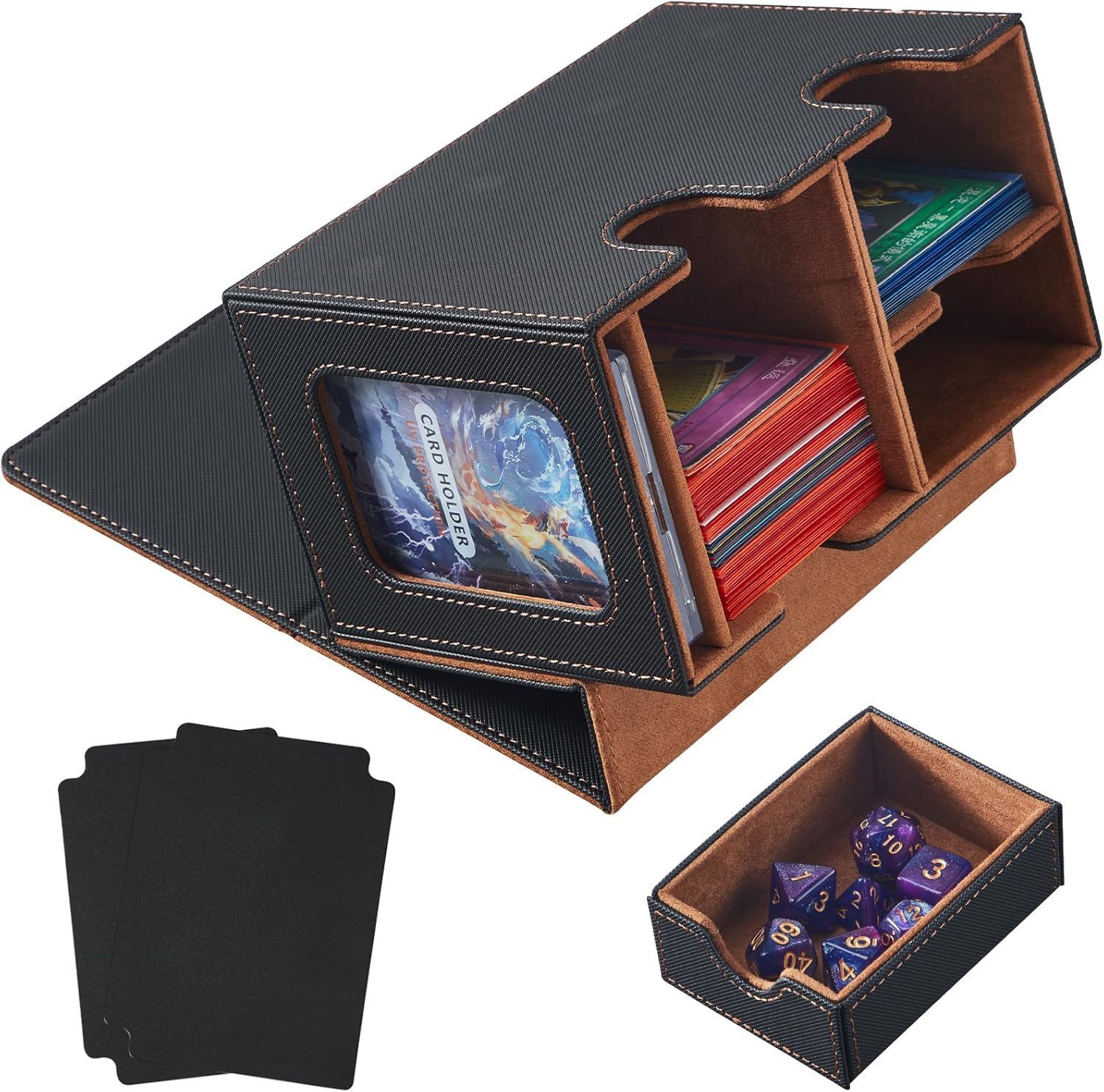
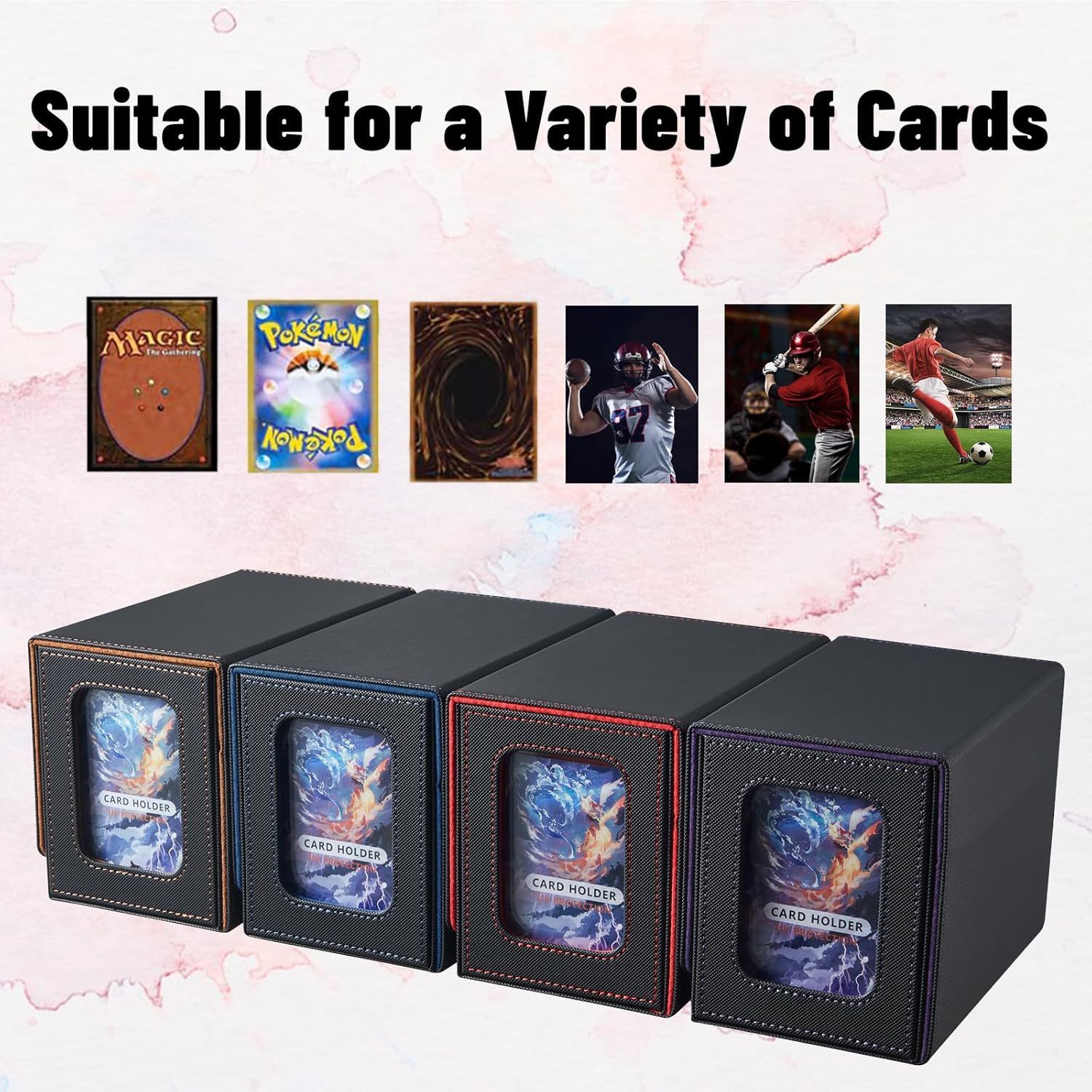
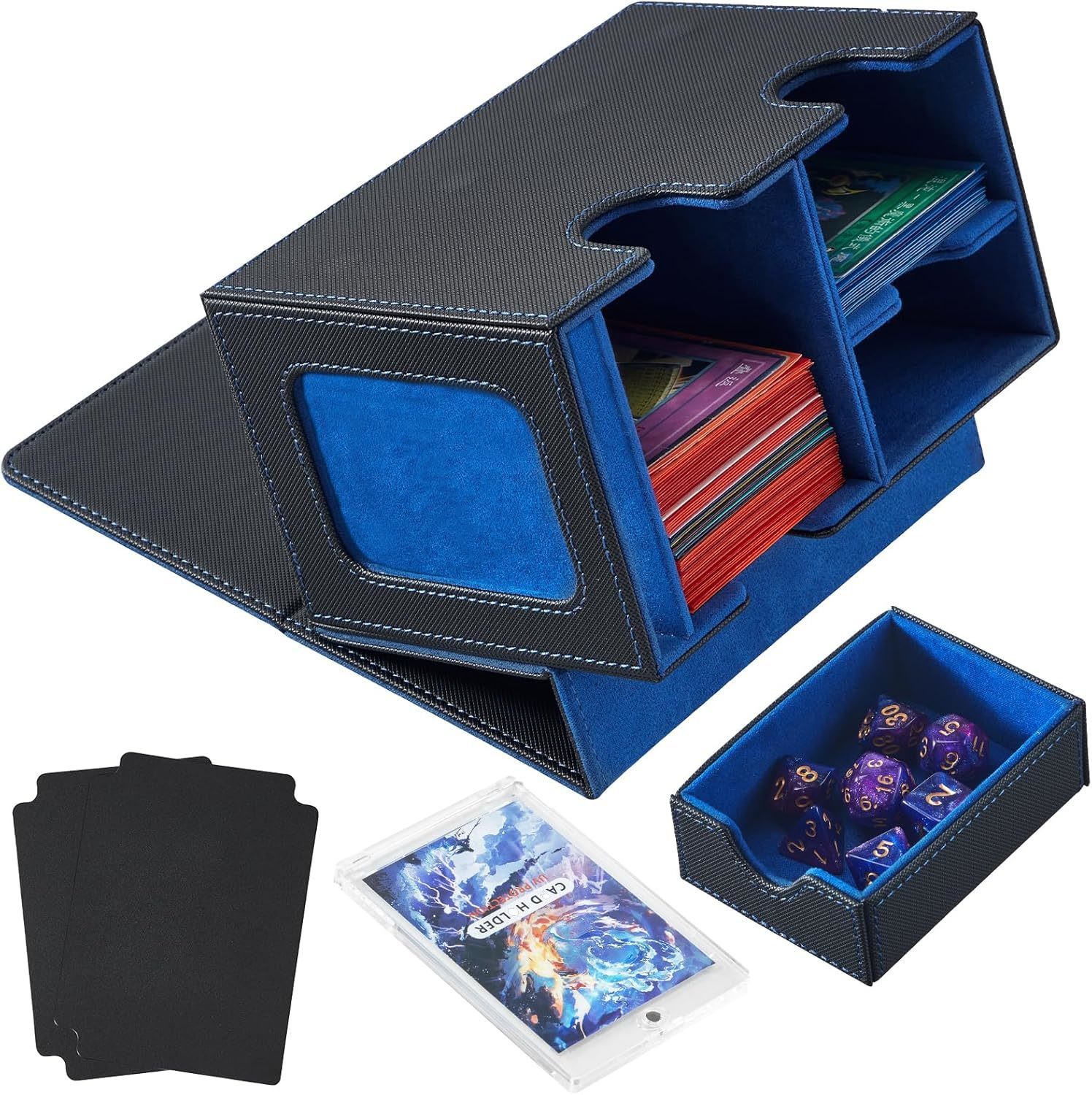
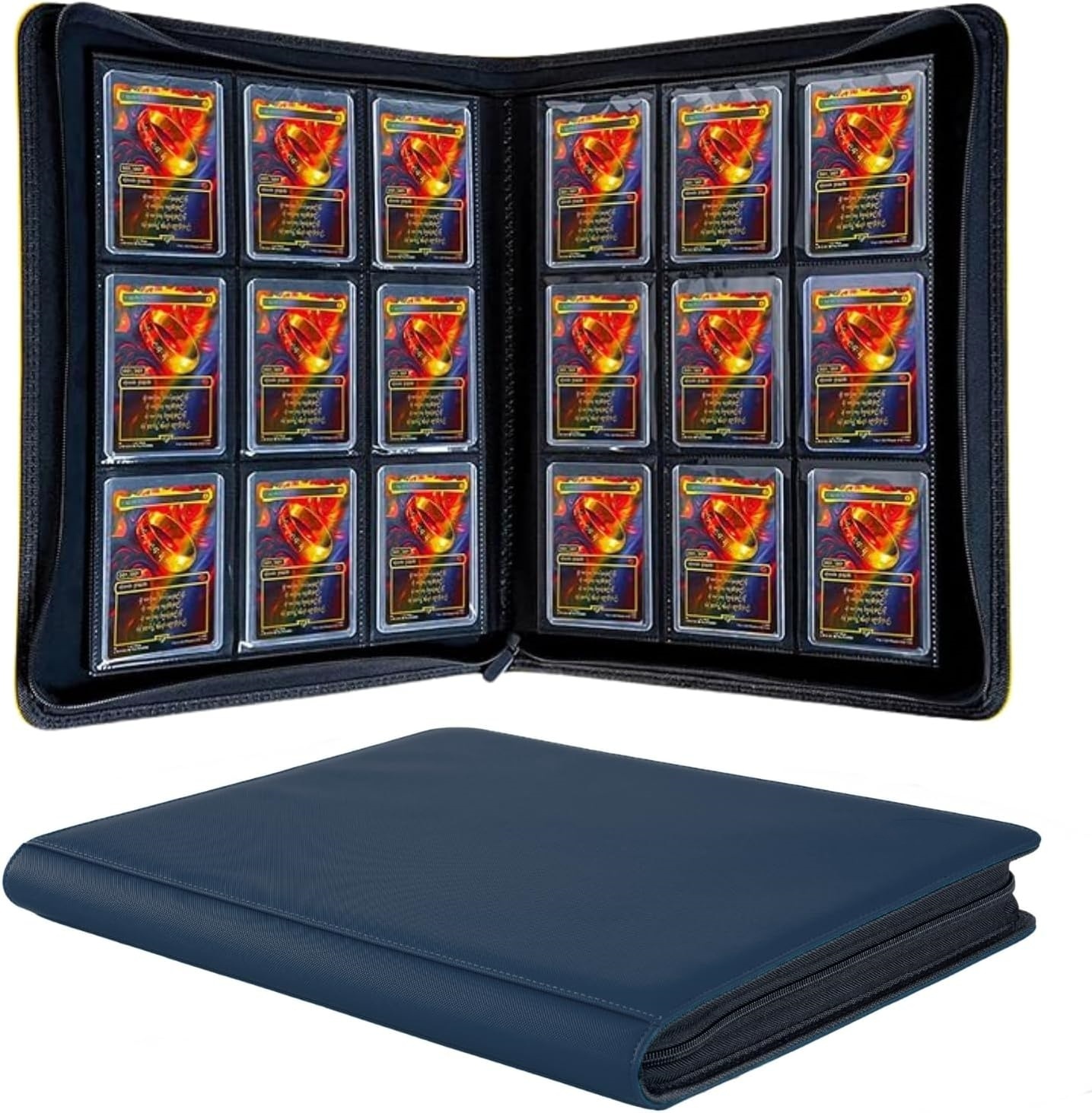






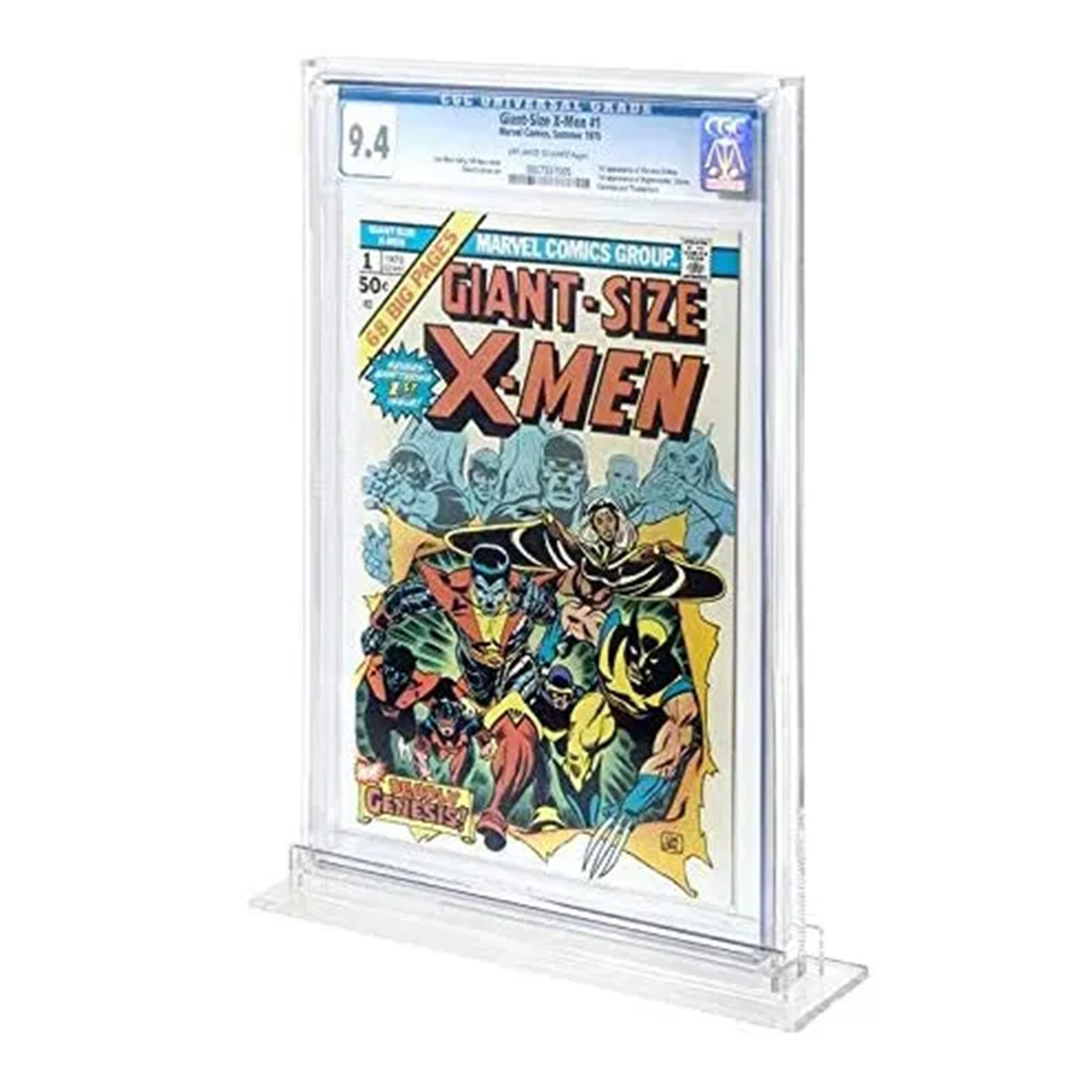
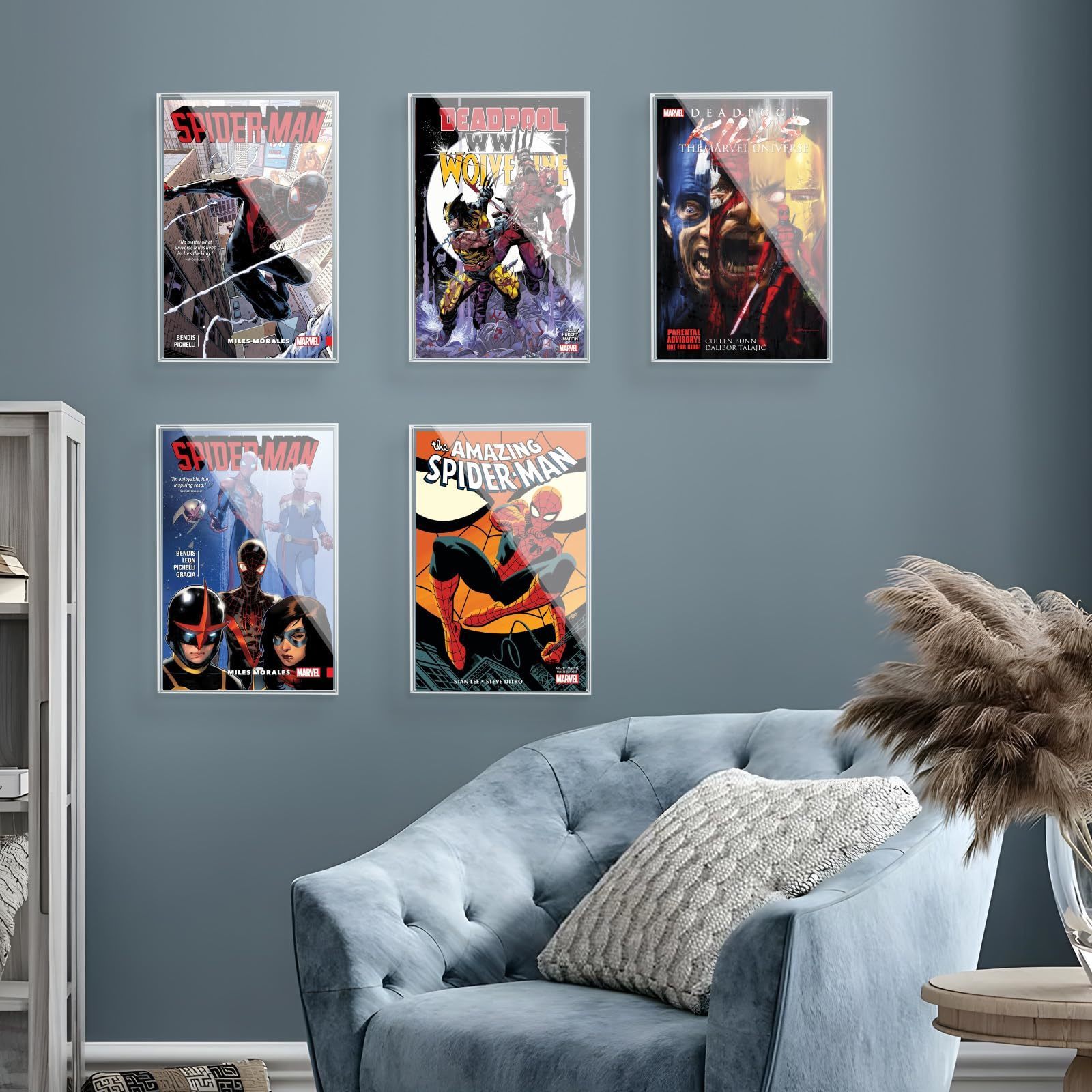
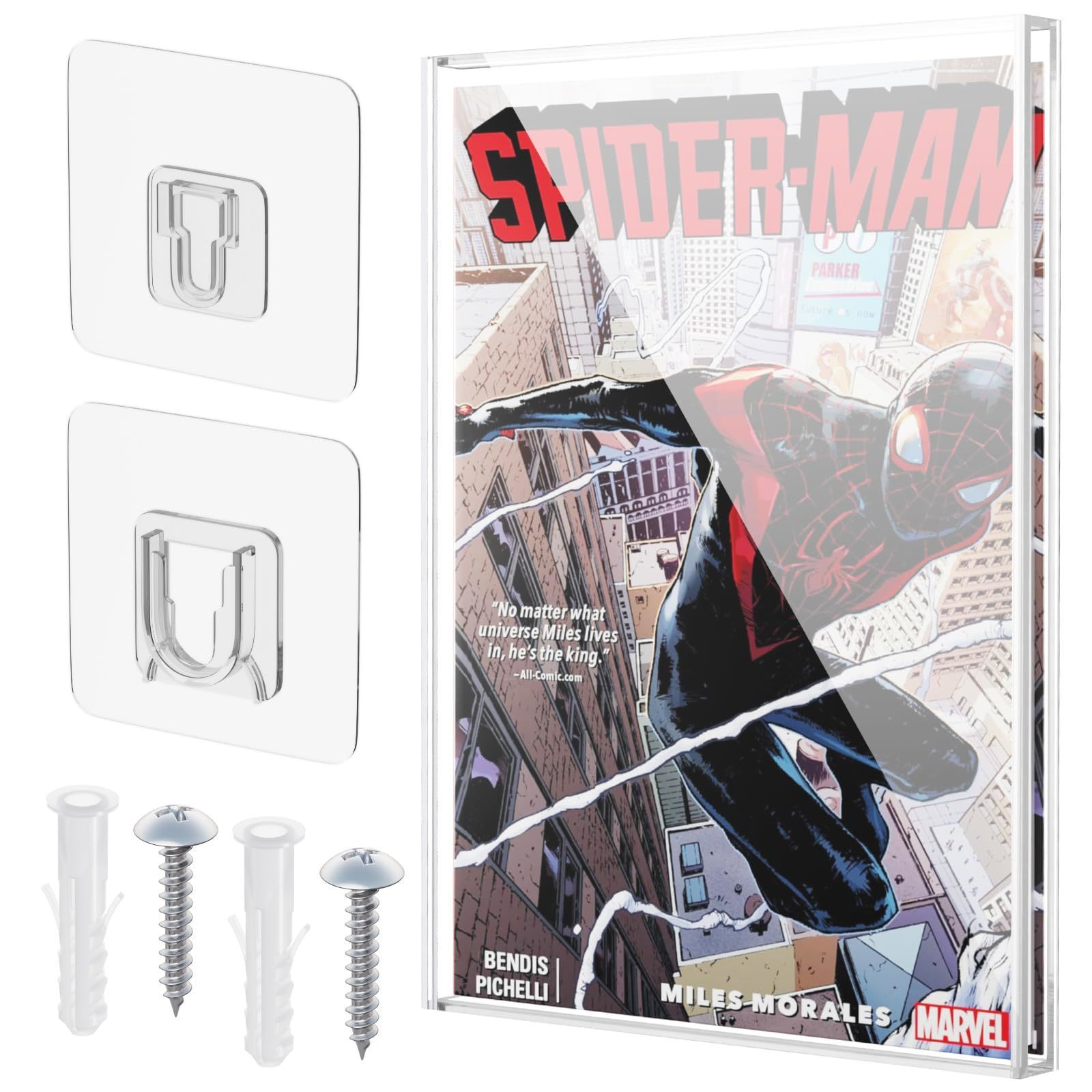
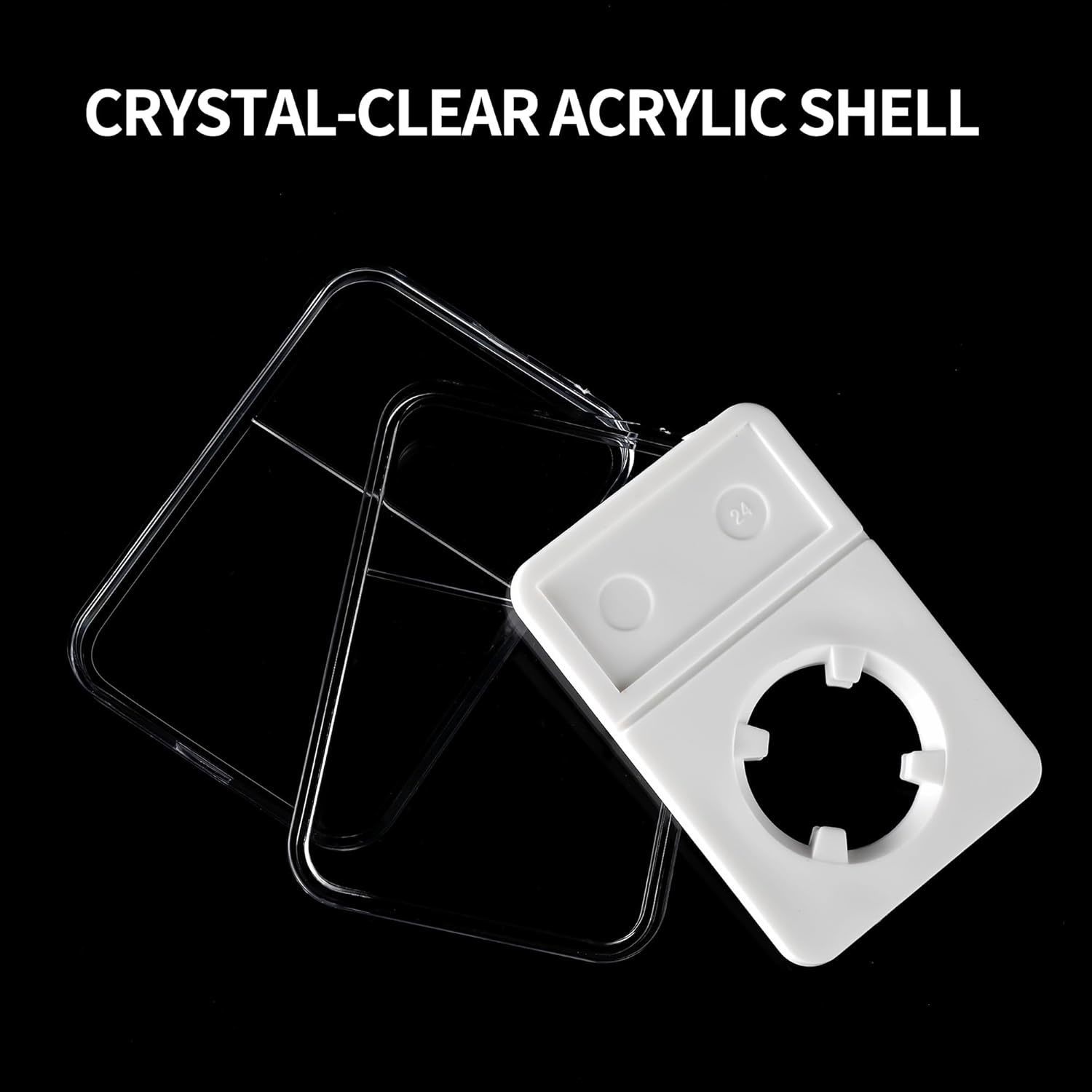
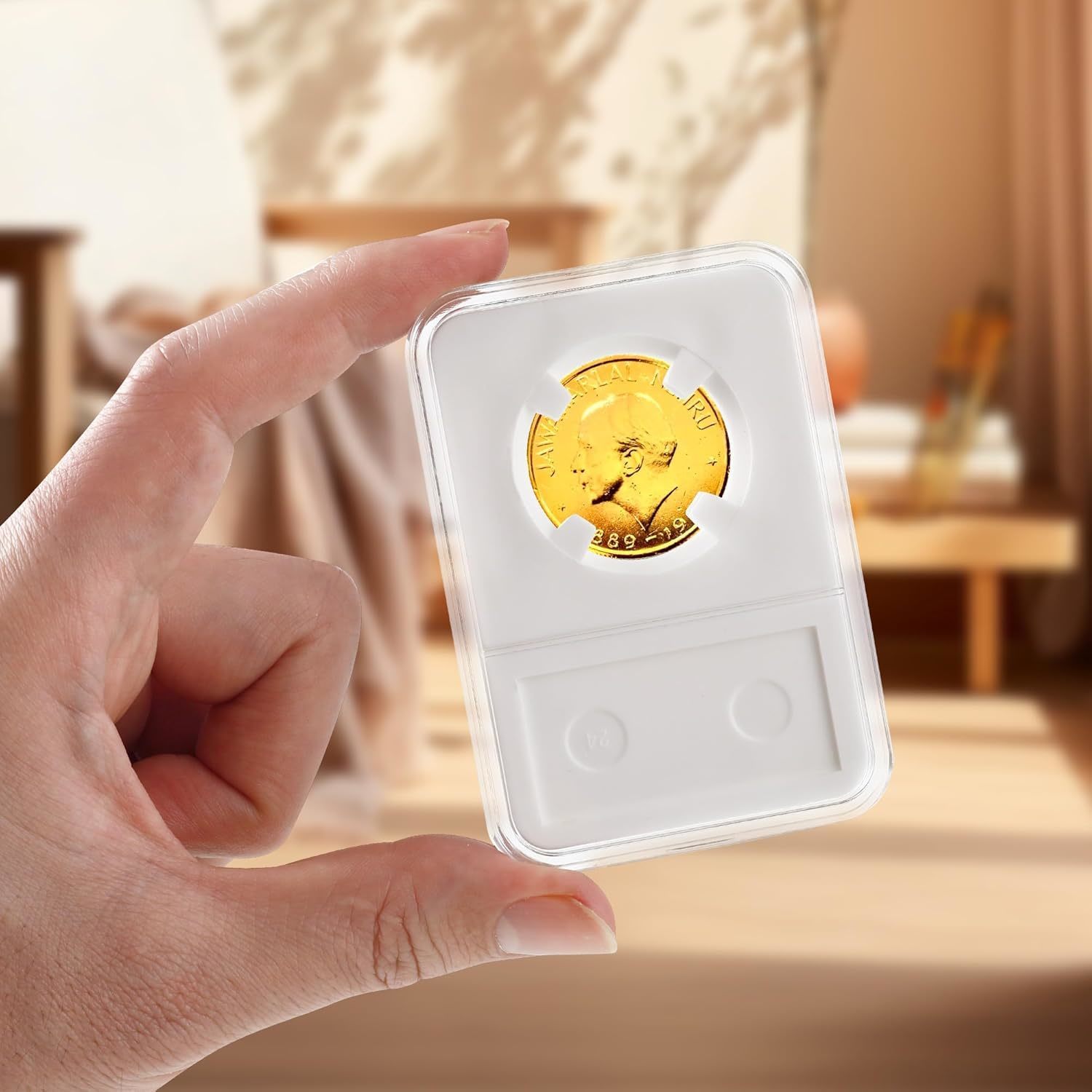
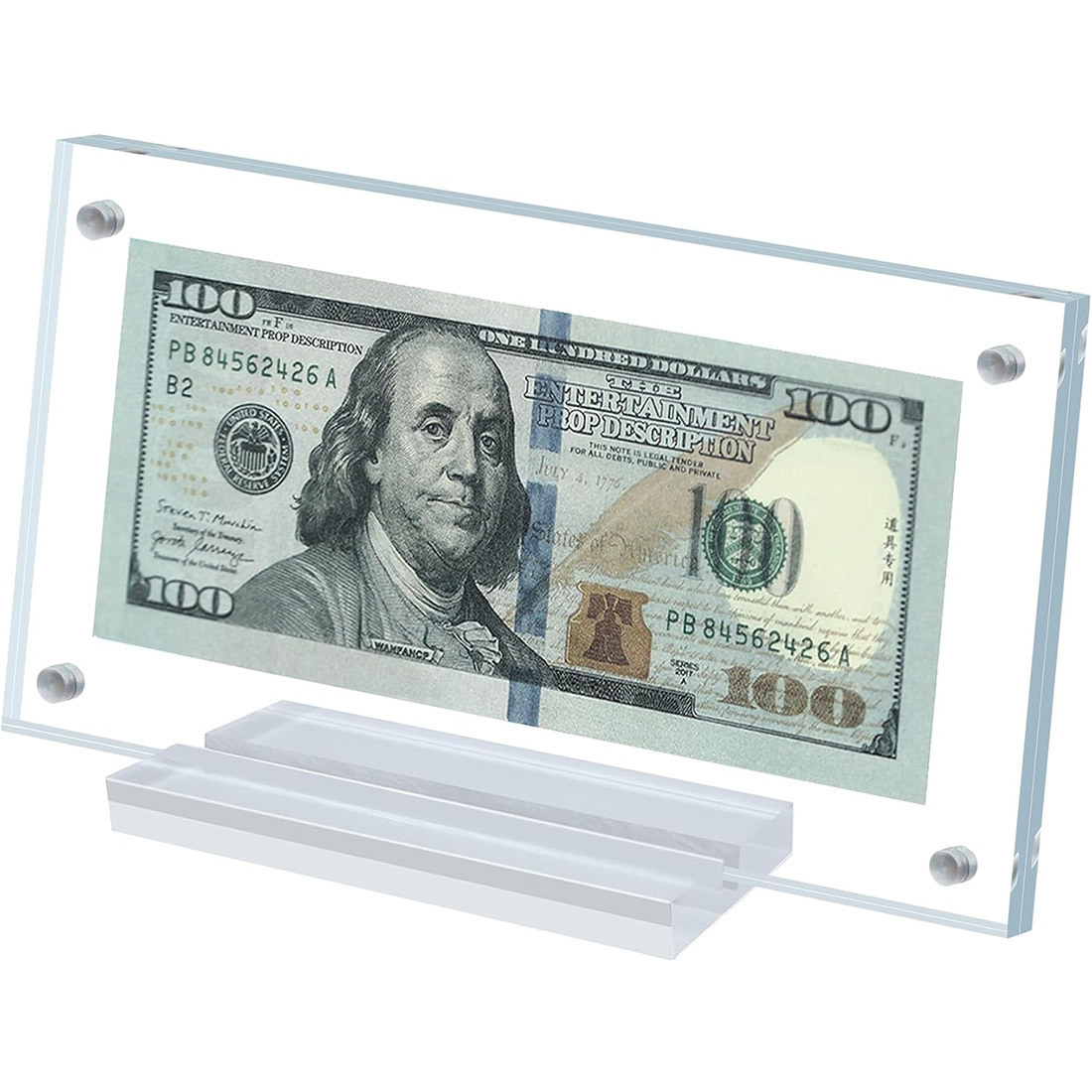
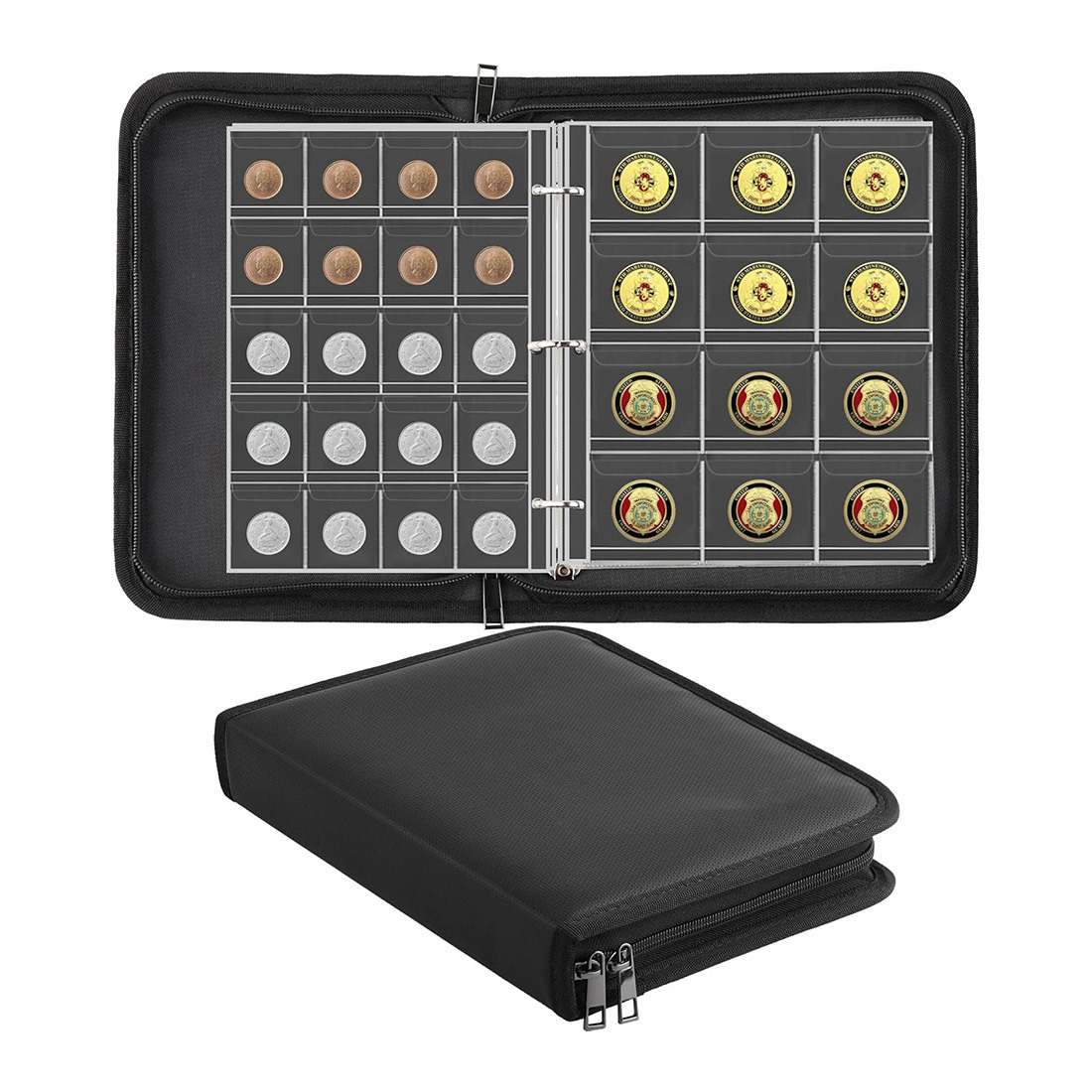
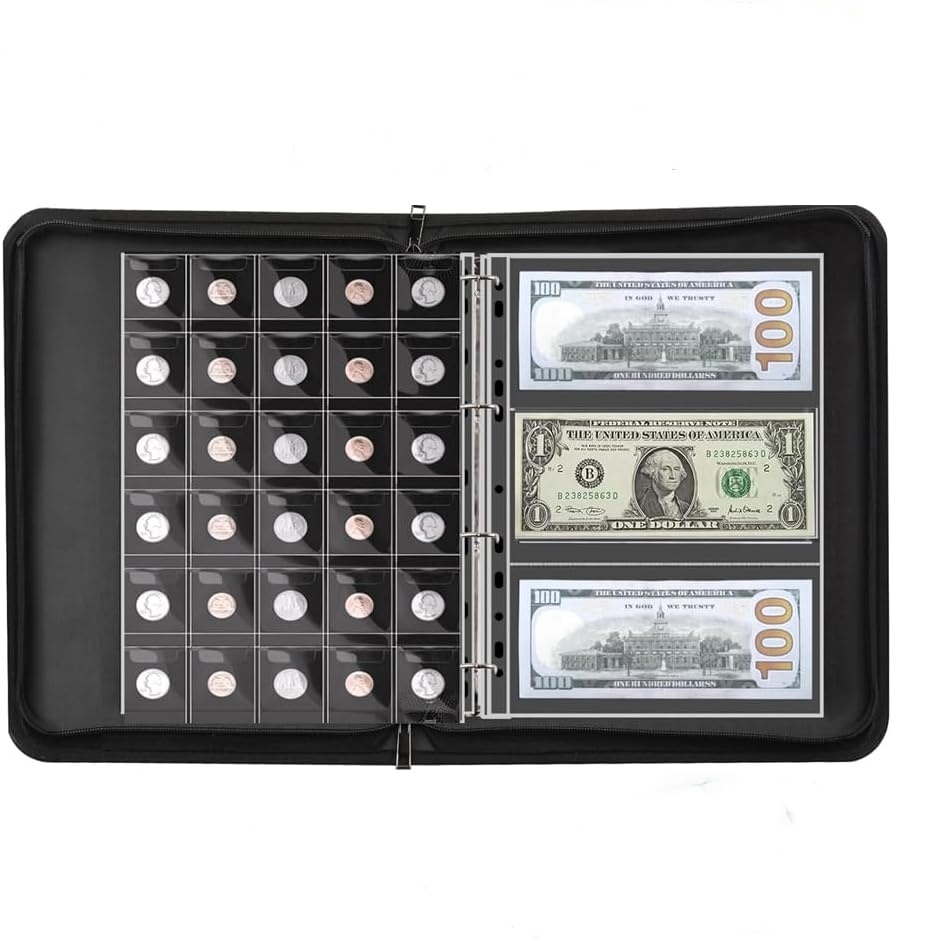
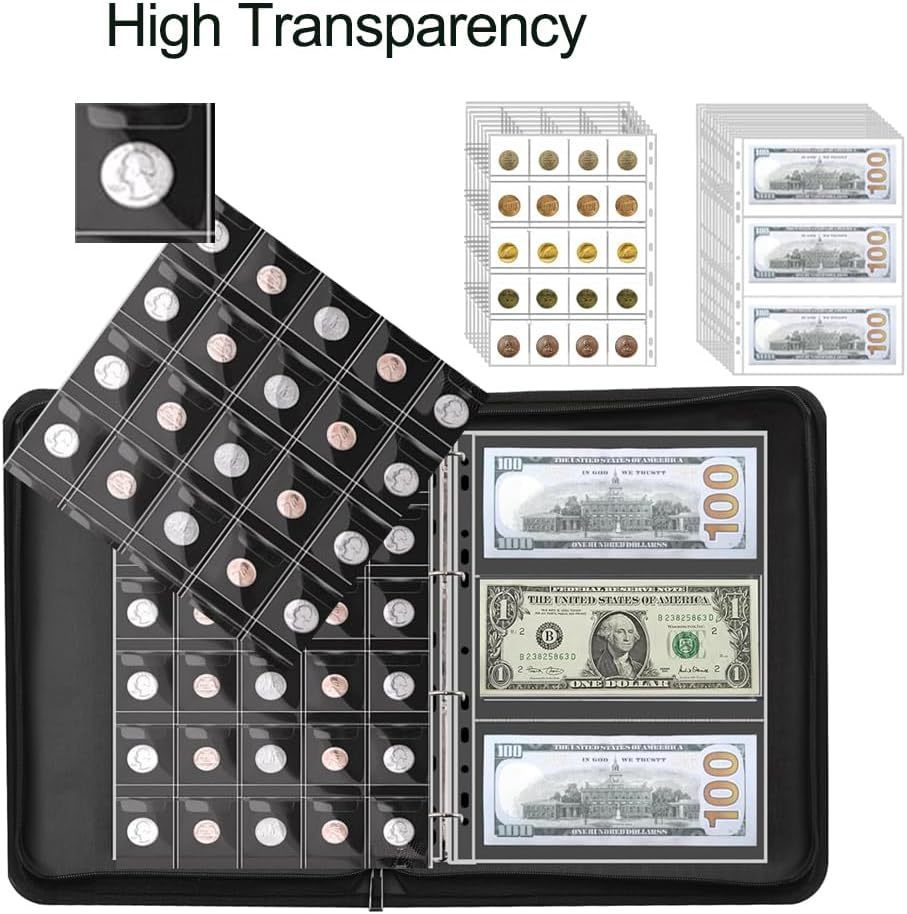
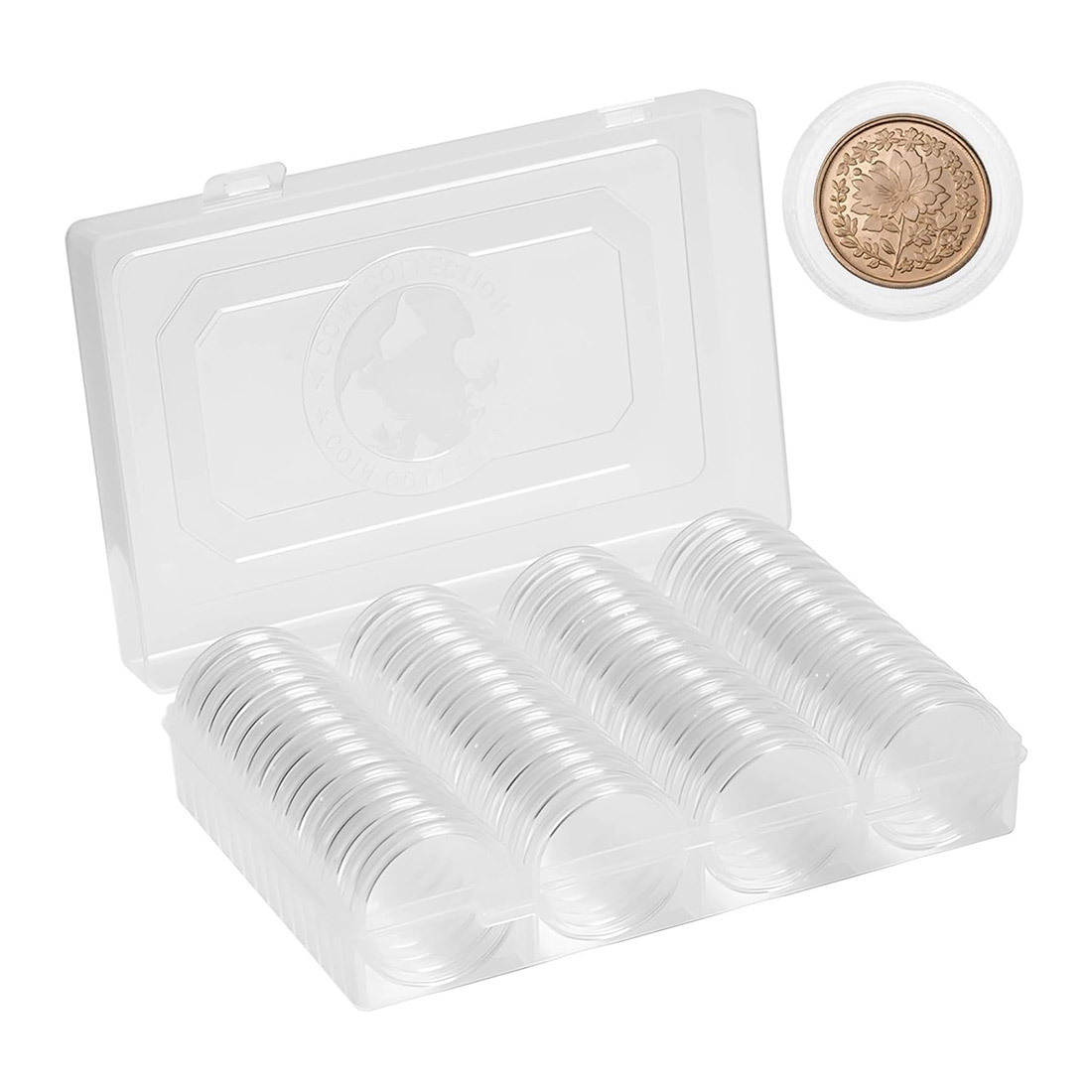
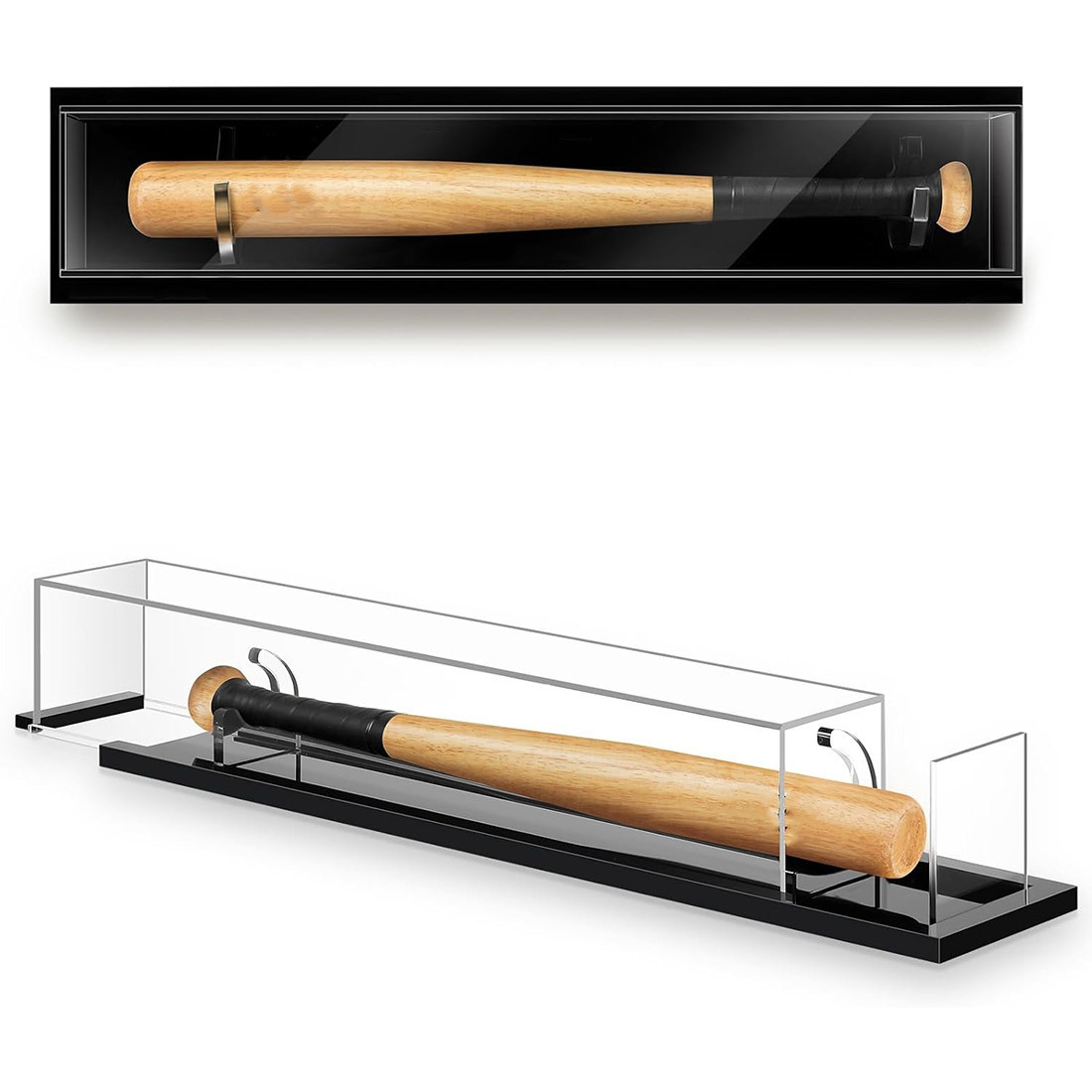


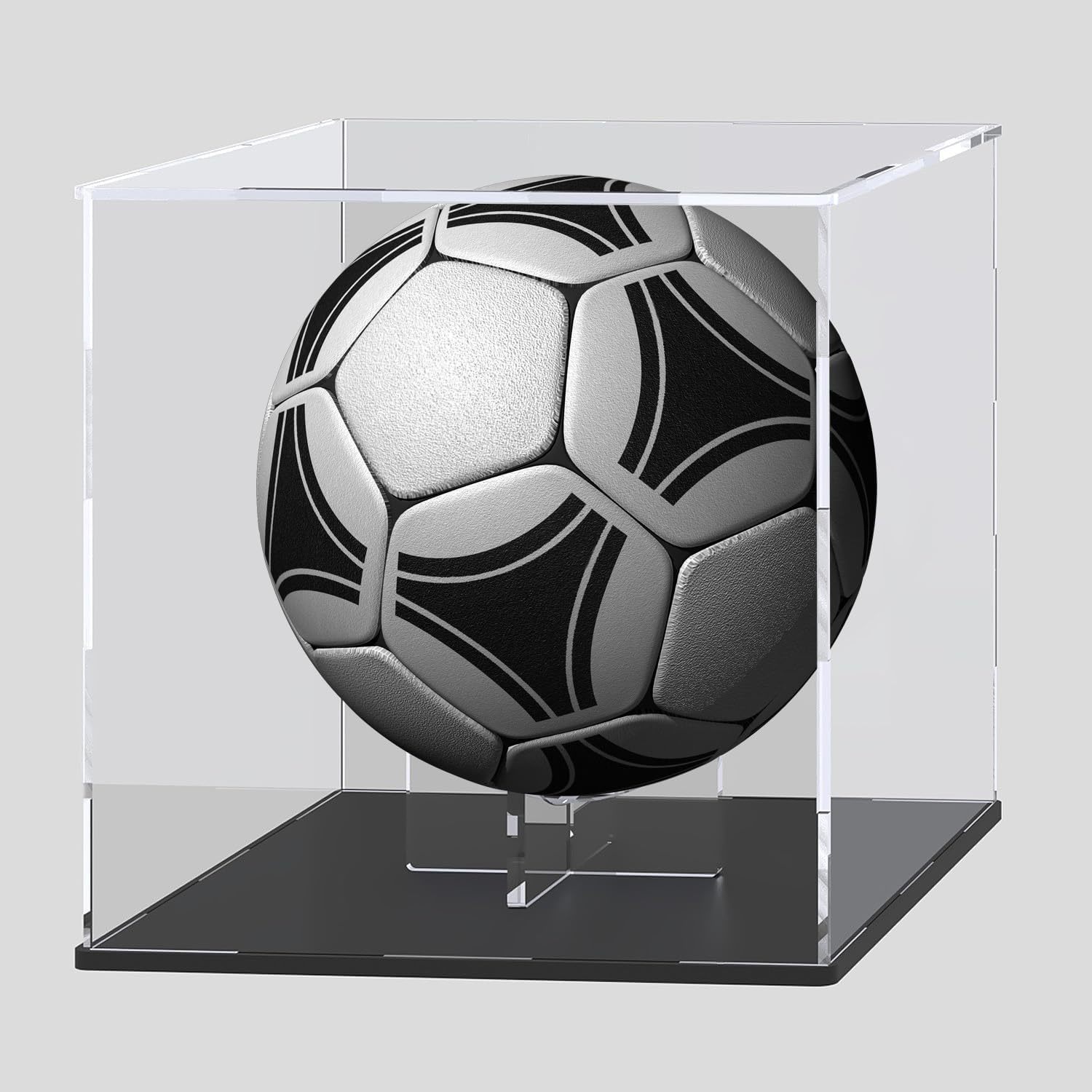
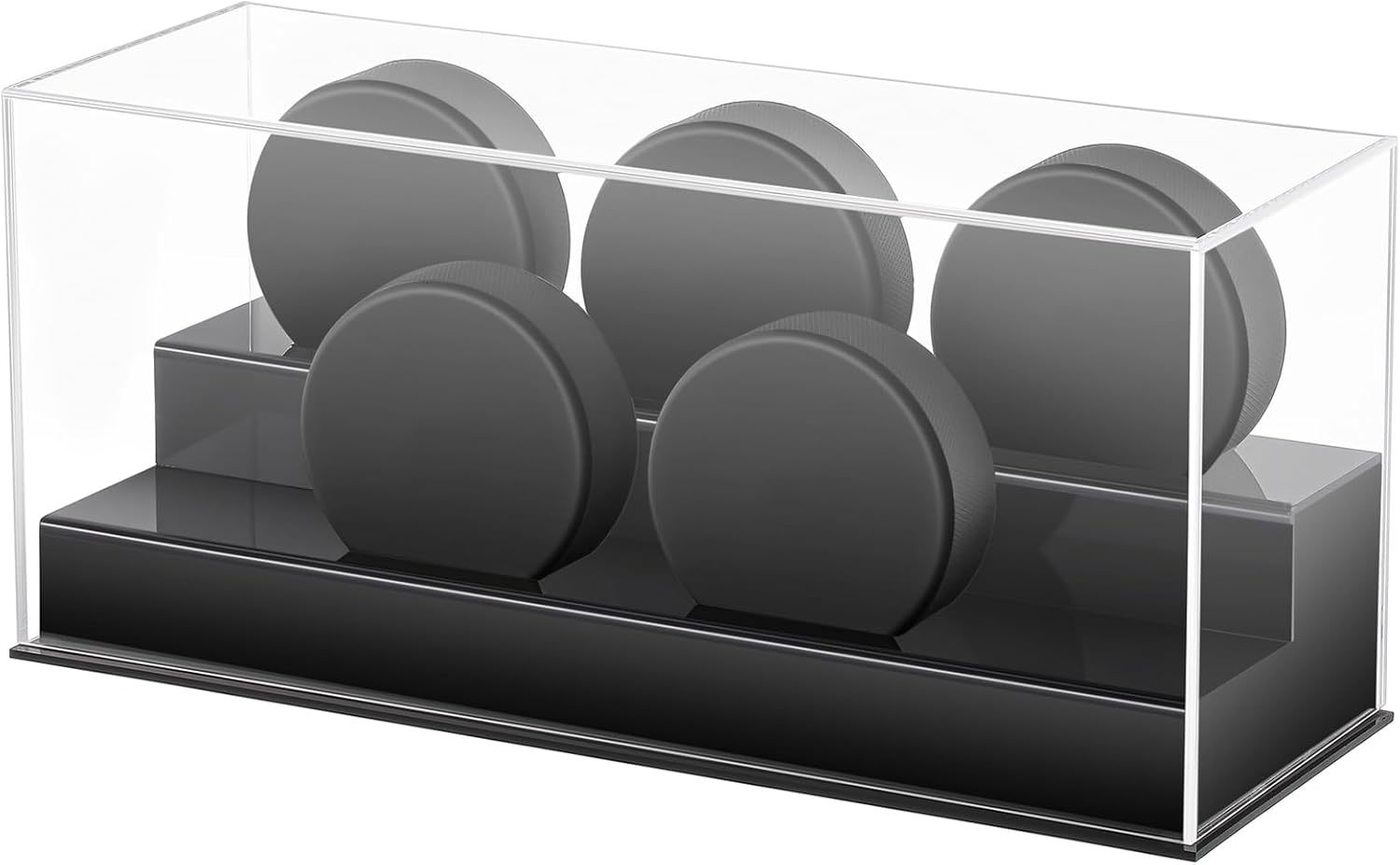



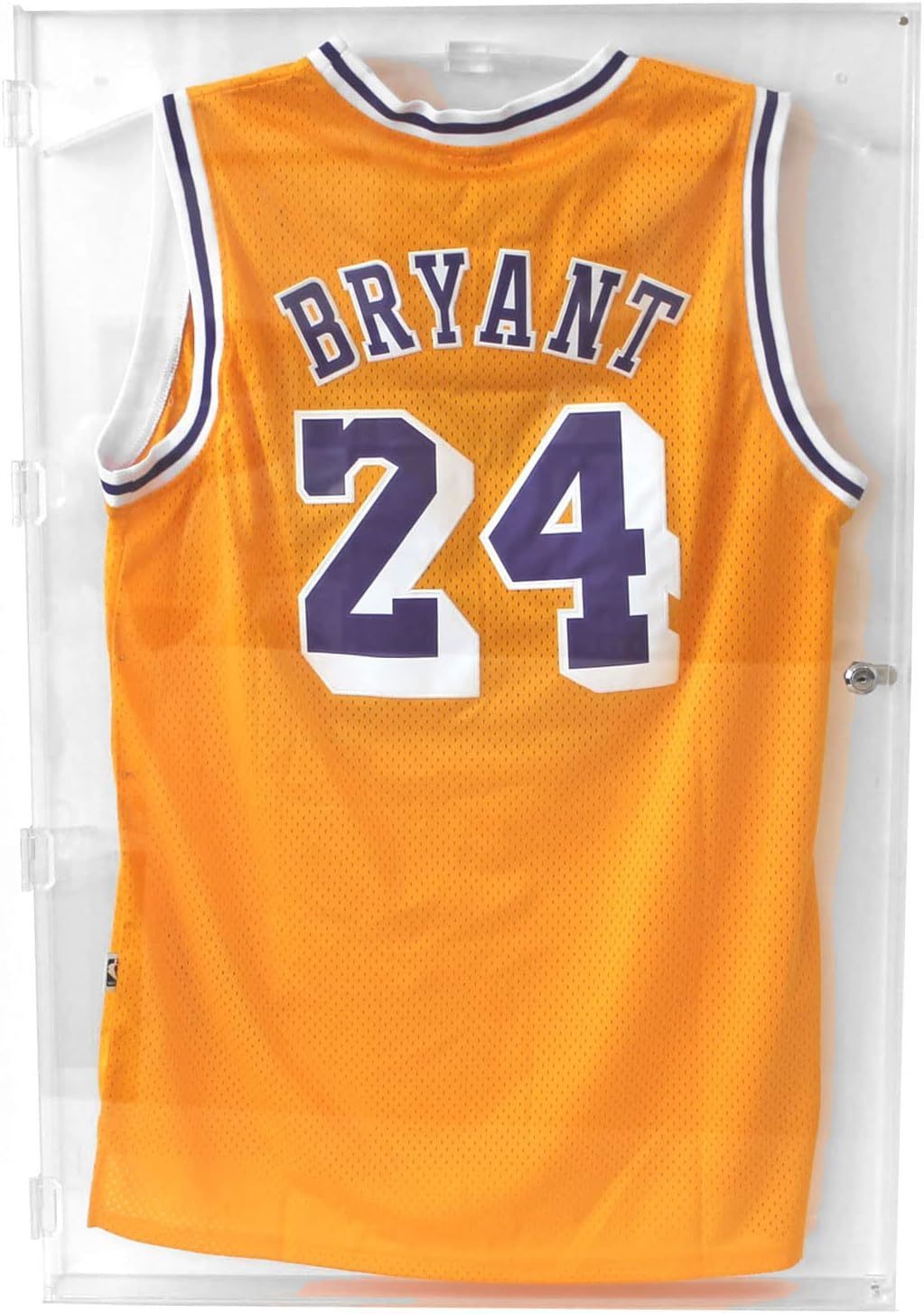
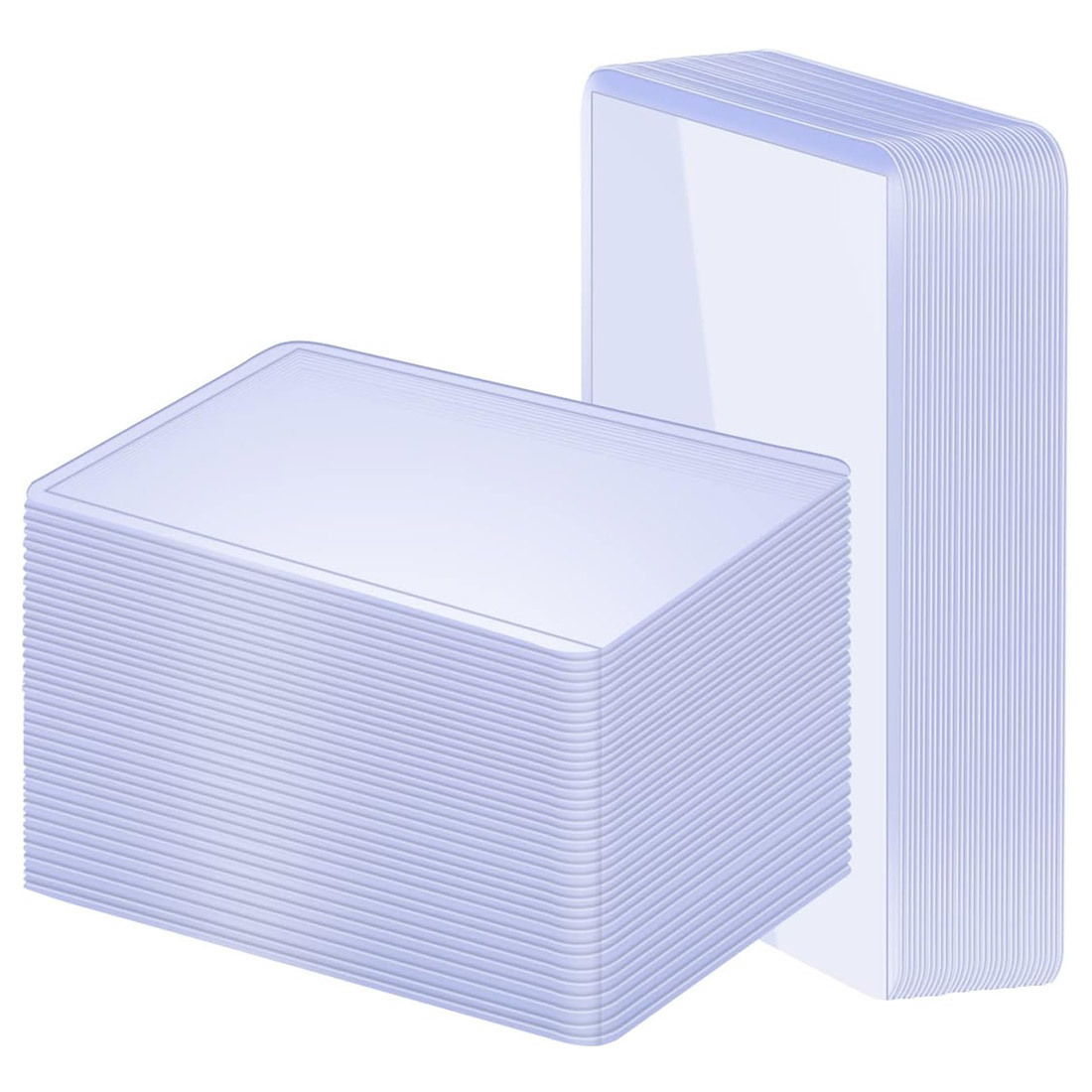


Protect Your Collection with 99% UV-Resistant Acrylic: Why It Matters More Than Ever
Release Time:
03 Apr,2026
Table of Contents
Introduction to UV Protection
The Hidden Threat: UV Damage to Collectibles
What Does 99% UV Resistance Mean?
Why Acrylic Is the Preferred Material
Key Benefits for Collectors
Applications Across Different Collectibles
Best Practices for Maximum Protection
Conclusion
FAQs
Introduction to UV Protection
For collectors, preserving value is just as important as acquiring rare items. While dust and handling are obvious risks, ultraviolet (UV) light remains one of the most overlooked threats.
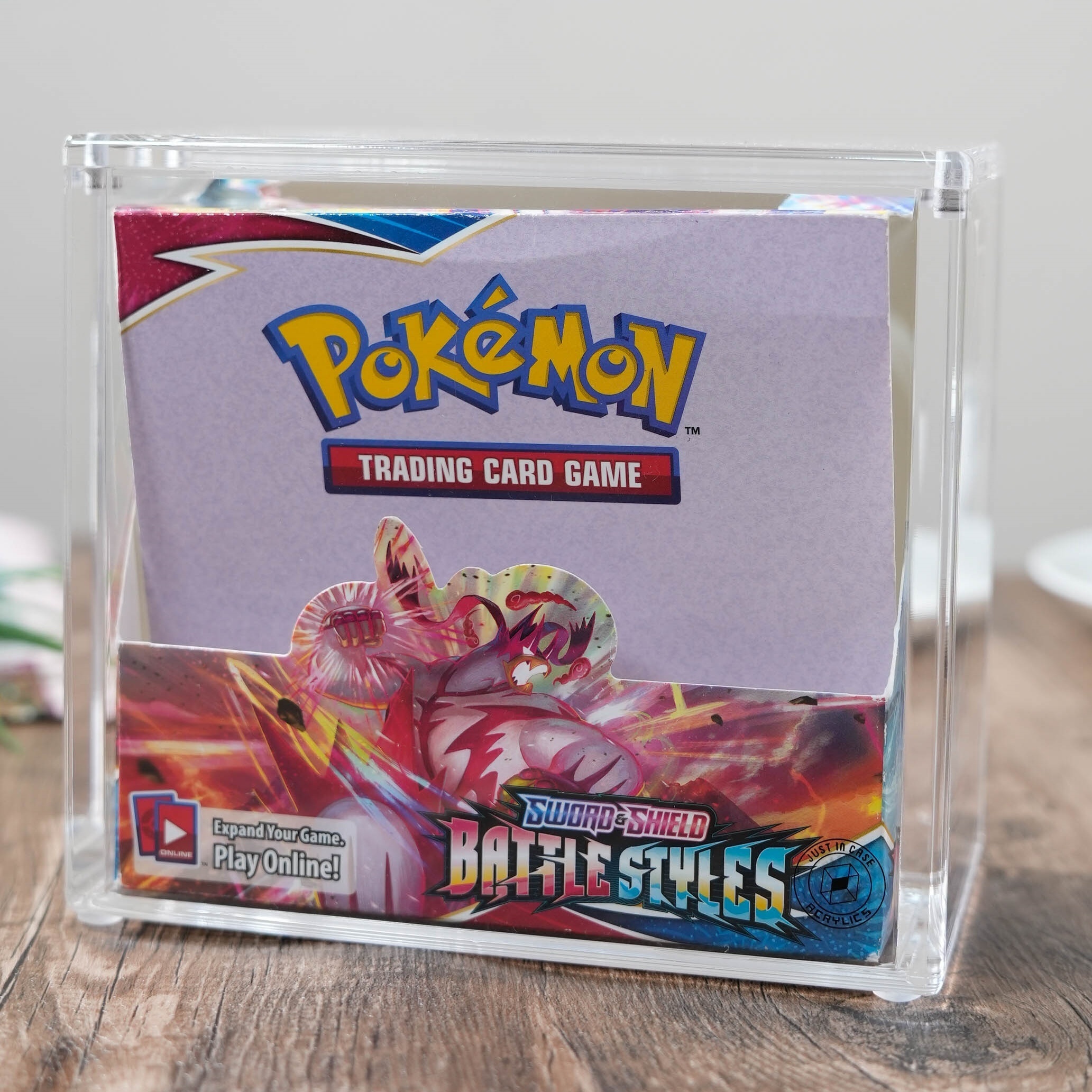
Modern acrylic materials with 99% UV resistance are becoming a critical solution, offering invisible yet powerful protection for valuable collections.
The Hidden Threat: UV Damage to Collectibles
UV exposure can silently degrade collectibles over time, even in indoor environments.
Common effects include:
- Fading of colors and artwork
- Yellowing of materials
- Loss of print clarity
- Reduced long-term value
Whether it’s trading cards, photos, or printed memorabilia, UV damage is often irreversible.
What Does 99% UV Resistance Mean?
99% UV-resistant acrylic is engineered to block nearly all harmful ultraviolet rays.
This means:
- Minimal light penetration that causes fading
- Long-term preservation of original colors
- Protection without affecting visibility
Unlike basic plastic or glass, this level of protection is specifically designed for collectors and display purposes.
Why Acrylic Is the Preferred Material
Acrylic stands out as a display material because it balances protection and clarity.
Key Advantages
- High transparency, similar to glass
- Lightweight and shatter-resistant
- Built-in UV filtering capabilities
- Long-lasting durability
This makes it ideal for both home collectors and retail displays.
Key Benefits for Collectors
Using 99% UV-resistant acrylic provides several important advantages:
- Preserves Value
Prevents fading and maintains original condition - Enhances Display Confidence
Allows safe long-term showcasing under light - Reduces Risk
Protects against environmental damage - Maintains Aesthetic Quality
Keeps colors vibrant and details sharp
Applications Across Different Collectibles
UV-resistant acrylic is widely used across multiple collectible categories:
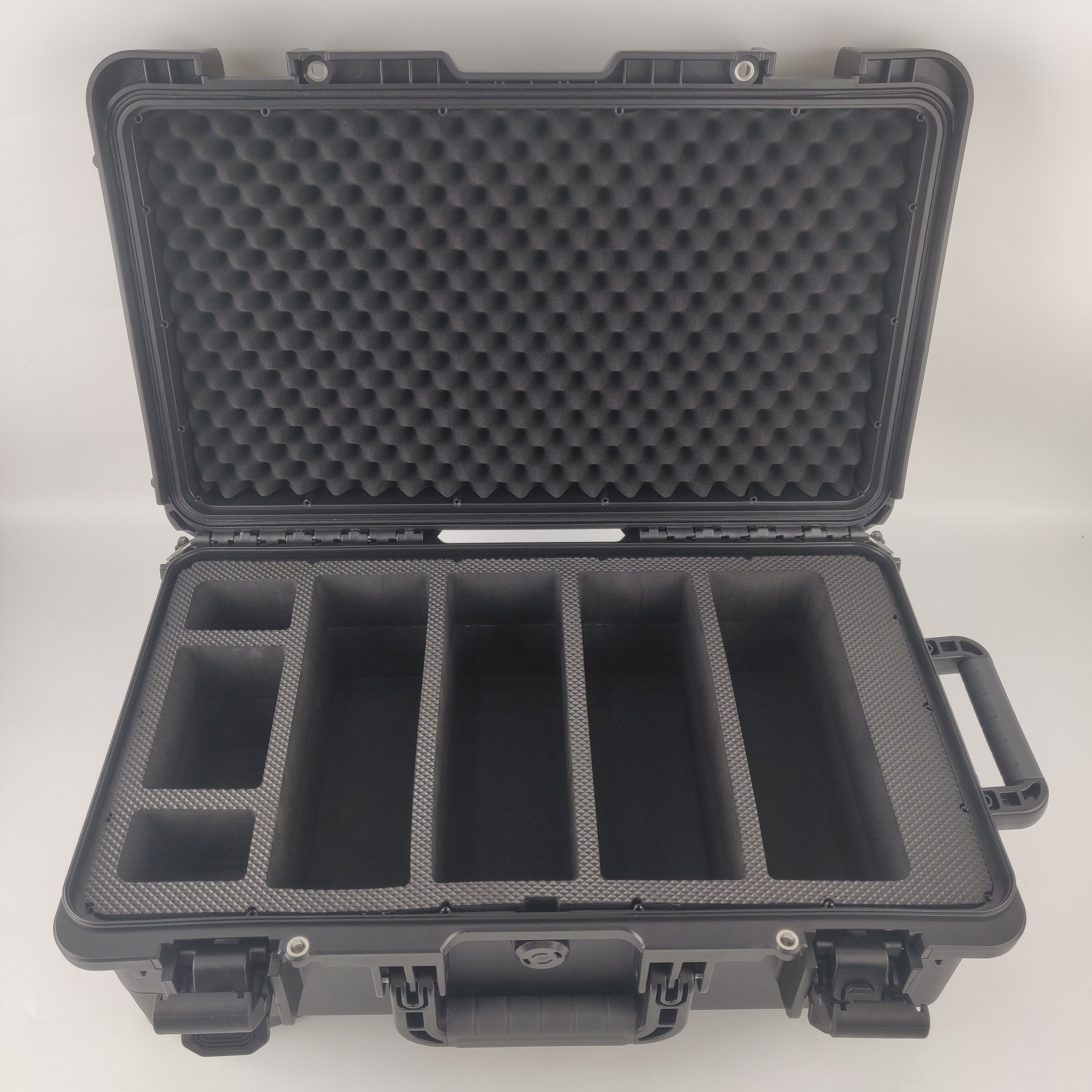
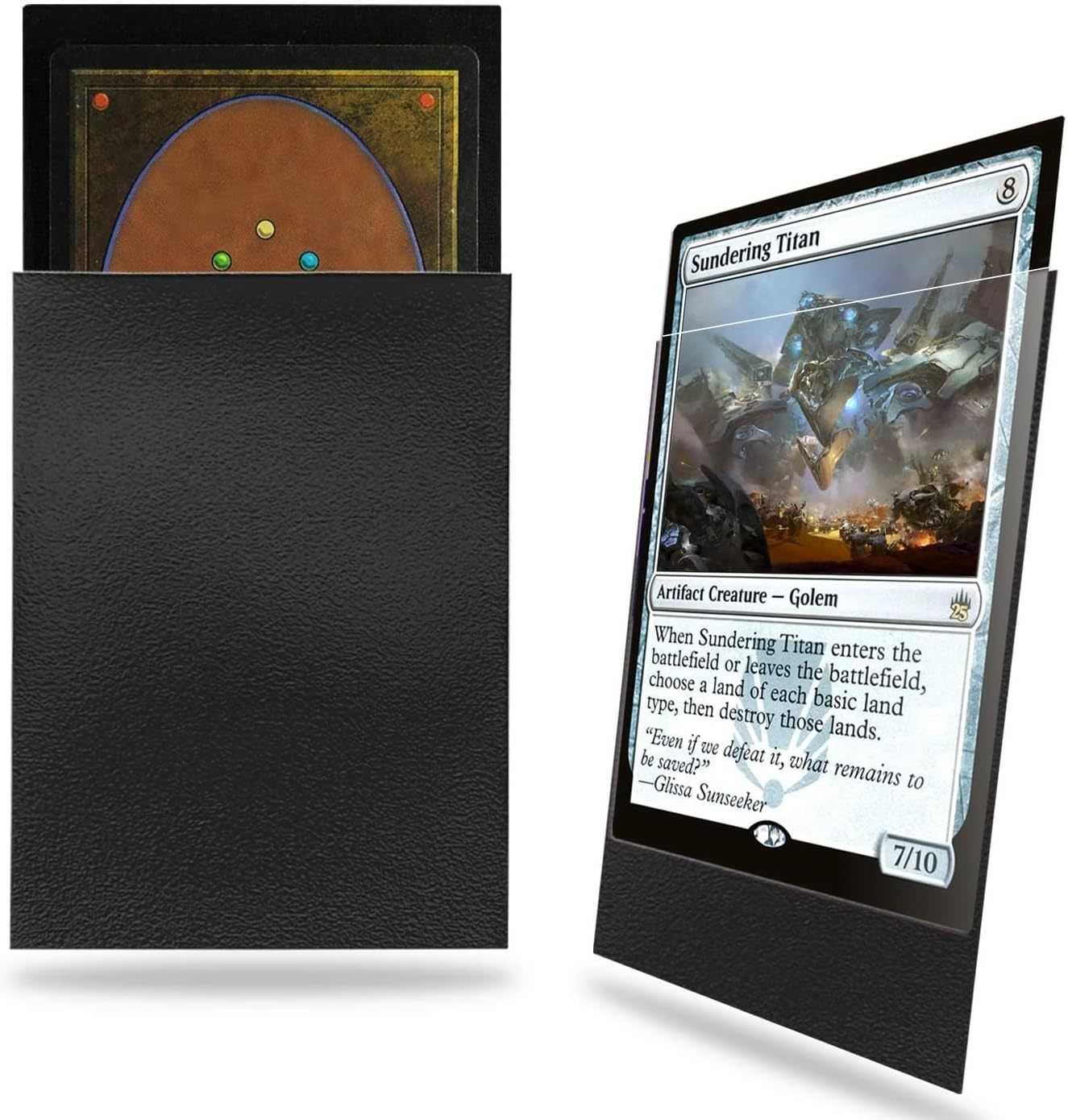
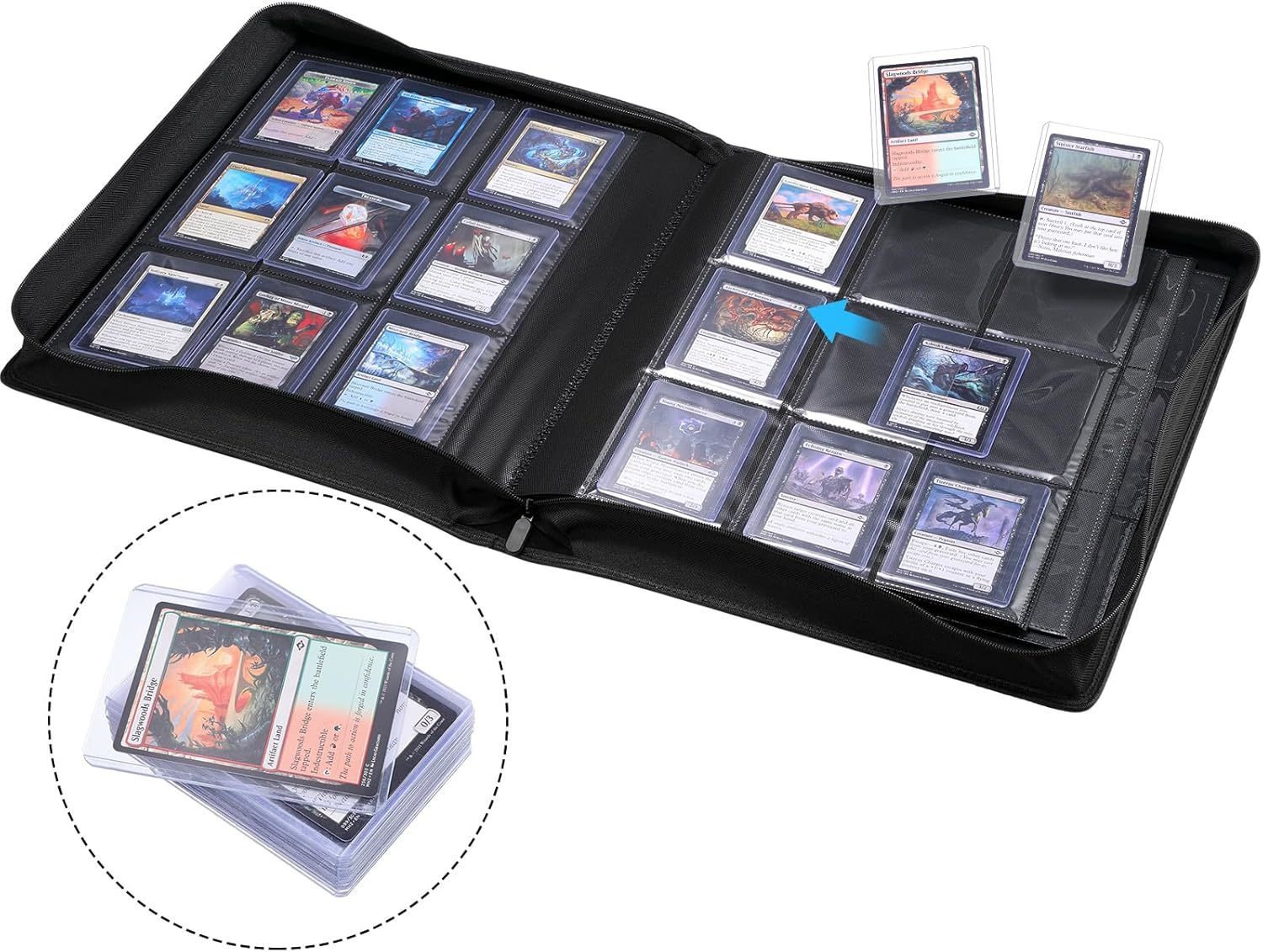
- Trading cards and TCG collections
- Sports memorabilia
- Signed photographs and prints
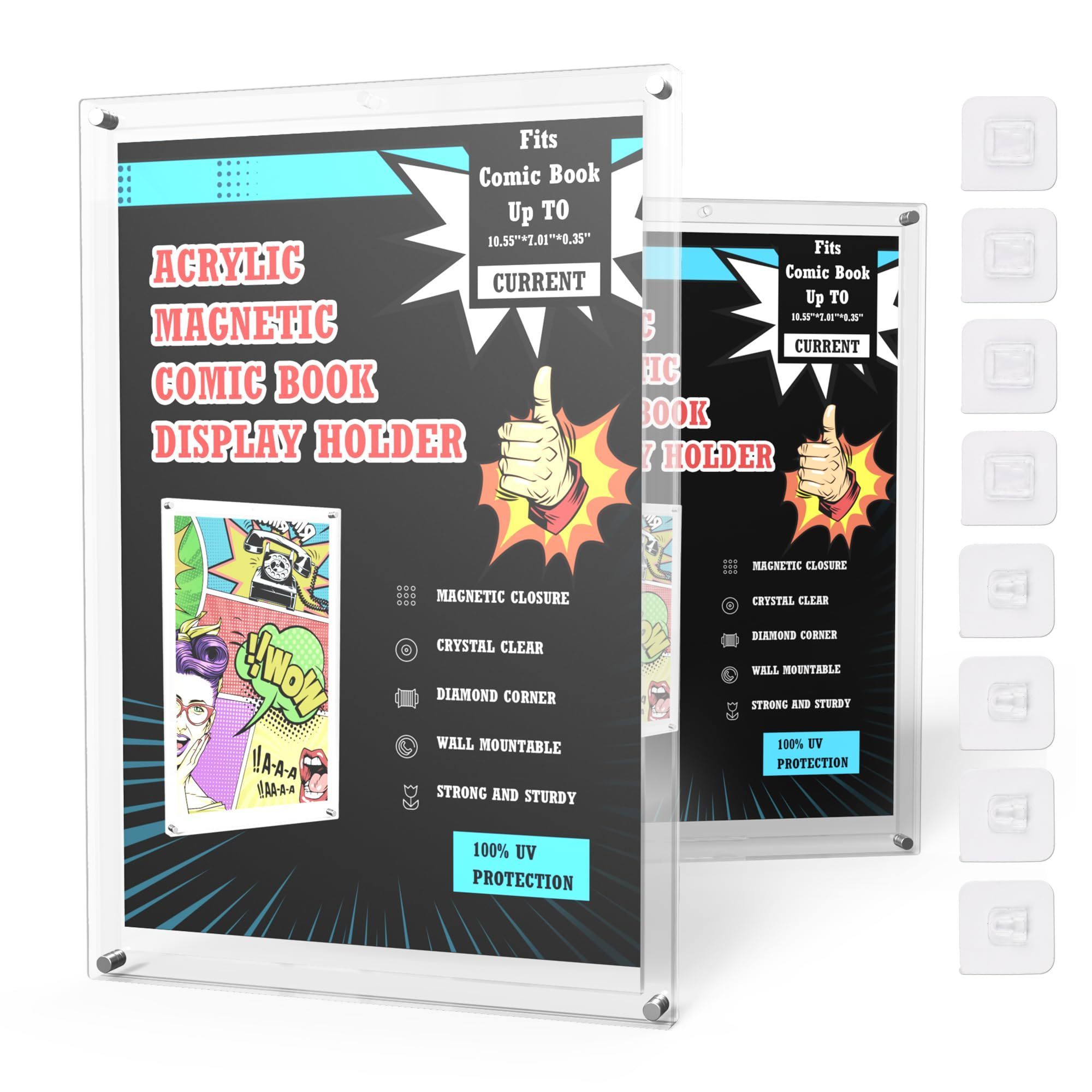
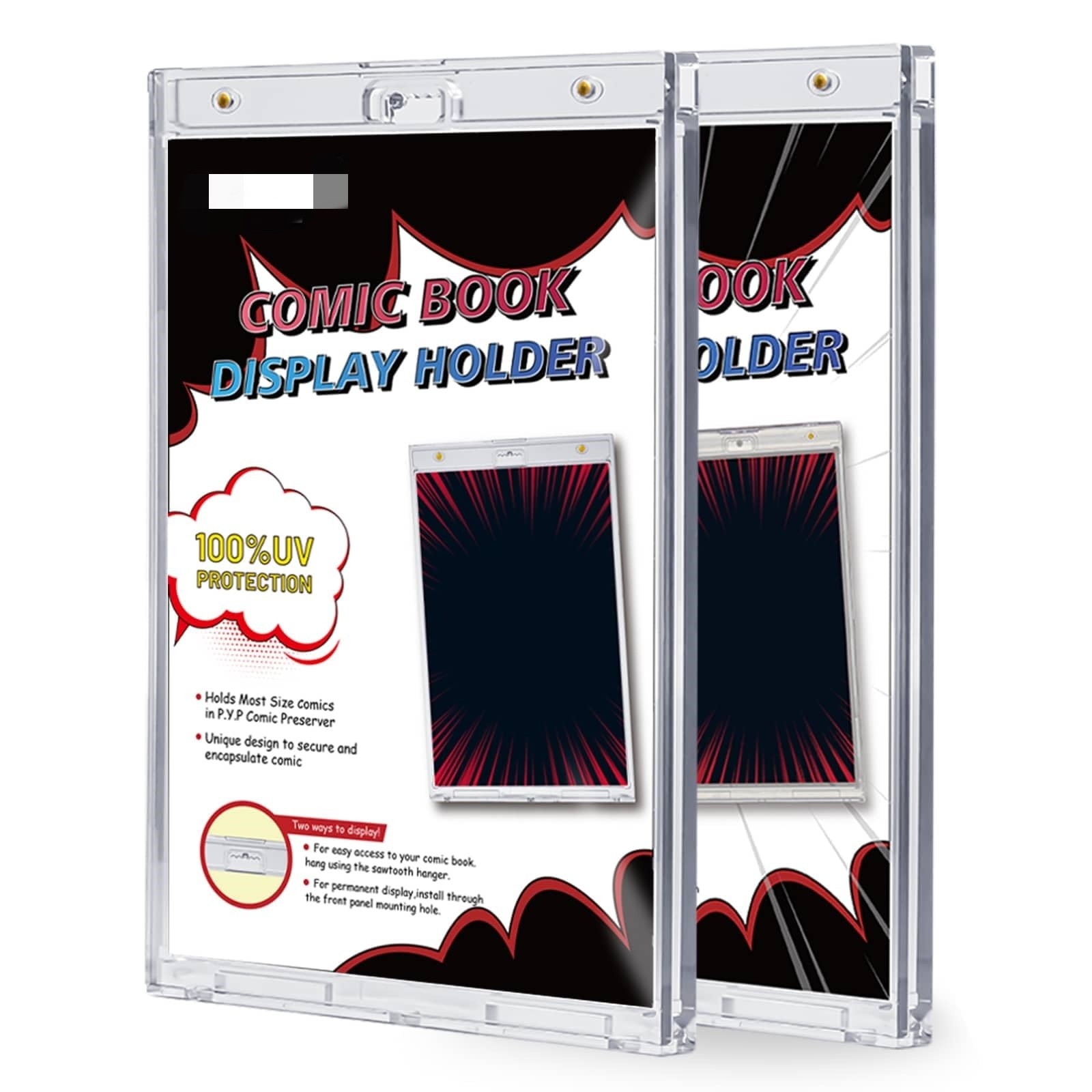
- Comic books and artwork
- Limited-edition collectibles
It’s especially important for items displayed under lighting or near windows.
Best Practices for Maximum Protection
To get the most out of UV-resistant acrylic:
- Avoid direct sunlight exposure when possible
- Combine with controlled indoor lighting
- Clean surfaces regularly to maintain clarity
- Store in stable temperature and humidity conditions
Layered protection always delivers the best results.
Conclusion
99% UV-resistant acrylic is more than just a material—it’s a long-term investment in preservation.
By blocking harmful UV rays while maintaining crystal-clear visibility, it allows collectors to confidently display their items without compromising their value.
In today’s collector market, protection is not optional—it’s part of the strategy.
FAQs
1. What does 99% UV protection actually do?
It blocks nearly all ultraviolet rays that cause fading and material degradation.
2. Is UV-resistant acrylic better than regular acrylic?
Yes, it provides significantly better protection against light damage.
3. Will it affect how my collectibles look?
No, high-quality acrylic remains clear and does not distort visibility.
4. Can it replace other protection methods?
It works best when combined with proper storage and lighting control.
5. Is it necessary for indoor displays?
Yes, UV light can still penetrate indoor spaces and cause long-term damage.
Key words:
Related News
CONTACT US
We will contact you within one working day. Please pay attention to your email.
Contact
Zoe
Northwest corner of the intersection of Xiyou Road and Qianshan Road, Zhengwu District, Shushan District, Hefei City China